Blog

  • Paint your home happy.

    Paint your home happy.

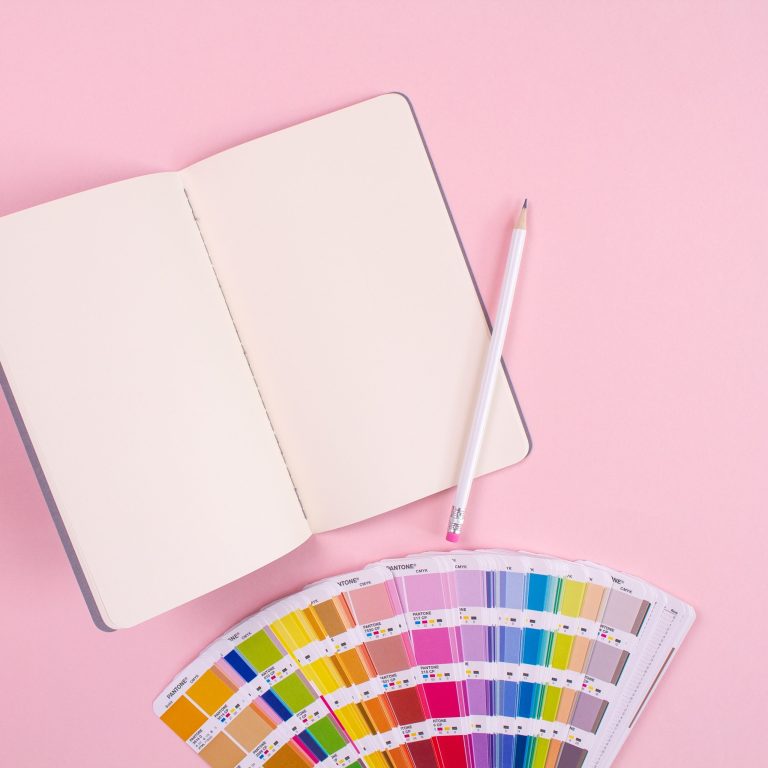
    abstract art, rainbow colours, image by Steve Johnson on Unsplash
illustration for blog post on colour psychology, "Paint your home happy."
    Photo by Steve Johnson on Unsplash

    colour psychology

    Paint is magical.

    It has the power to transform the look of a piece of furniture – rescuing it from ugly, dated or very badly worn to beautiful, current, refreshed.

    It has the power to transform how a room looks – making it seem larger, or cosier, than it really is.

    But far more important than changing appearances, paint can transform the mood in a room. Cold and uninviting morphs into warm and welcoming. Dull can become interesting and engaging. Busy can become calm and restful.

    And this effect isn’t isolated to the rooms we’re painting. We catch these feelings ourselves.

    The colours that we paint the walls in our homes impacts on how we feel when we spend time within those walls.

    So choose your paint colour carefully. Steer clear of the colour of the year, or other on-trend hues, and focus on finding the right colours that you will want to continue to surround yourself with for several years to come.

    To get this right, we need to consider the function of each room, the personalities of the people using it, and the direction the natural light is coming from. Referring to colour psychology, the colour wheel and the compass will help us to choose a colour palette that supports our wellbeing.

    Colour psychology

    Generally speaking, colour psychology tells us we want to use warmer colours (reds, oranges, yellows) in rooms where we want the mood and atmosphere to be vibrant and stimulating. Kitchens and dining rooms are great examples where these colours can be put to good effect.

    And in rooms where we want the mood to be relaxed and calming, then we want to move towards the cooler side of the colour wheel, making use of greens and blues. Our mood affects our behaviour, so think about what kind of behaviour you want to see happening in a room and choose a colour that will create a supporting mood for that.

    Discussing the psychological properties of colour really deserves its own dedicated post (stay tuned). But hereโ€™s a general overview of what you want to be bearing in mind:

    Red stimulates the body and mind and increases circulation. Itโ€™s a good choice in rooms where you want to stimulate lively conversation. It can also stimulate arguments, so consider this before adding it to the bedroom.

    Yellow is thought to stimulate the nerves and purify the body. Itโ€™s an uplifting colour for most, associated with happiness. The wrong yellow (for you) can be difficult to spend time around, so choose carefully.

    Orange increases energy levels. Itโ€™s a good choice in spaces where you want to spark creativity. Like yellow, itโ€™s also uplifting and often associated with happiness.

    Green is restful and subconsciously reminds us of nature. Itโ€™s used a lot in hospitals as itโ€™s believed to aid healing. Itโ€™s a good choice for bedrooms and living rooms designed more for relaxing than socializing.

    Blue soothes the psyche and is popular in bedrooms, medical waiting rooms, and other places where itโ€™s important to ease anxiety. Many people associate it with a feeling of stability and safety. It is a cool colour and in northerly-facing rooms it can be more depressing than relaxing.

    Purple is the colour of the imagination and is good for creative or contemplative spaces.

    Pink is believed to have a calming effect and is often used in prisons and in โ€˜Awayโ€™ teamsโ€™ locker rooms โ€“ to calm prisoners and induce passivity in opposing teams.

    White represents purity and cleanliness and can increase the sense of space in a room. It can also be cold and lend a sense of sterility. Undertones of warm colours can help to counteract this effect.

    Black absorbs light and makes a space physically darker. This can induce feelings of sadness. It does depend on personality types though, and always worth considering using some black for someone with a winter personality type.

    Seasonal personalities

    Once you have a general idea of where youโ€™re leaning in terms of colour choices, the next thing to consider is who uses each space in your home (or who uses it the most) โ€“ and at what time of day is it in use.

    Itโ€™s time to look at the personality type of each member of your household, so you can choose a colour palette that works for everyone. Because lime green can be a nightmare to one person, and a zingy delight to another.

    As well as providing guidelines on how different colours can affect our moods, colour psychology also helps us to choose colour palettes to suit different personality types. Using the four seasons to categorise, the idea is that we all have one dominant personality type, but probably also lean towards one or two supporting types. And different seasonal personalities have distinct preferences when it comes to colour, textures, patterns, furniture and other home dรฉcor.

    You may be able to glean from the following descriptions what your primary and secondary types are. (I have a short, fun quiz on this link if youโ€™d like a little help with it.)

    Spring

    colour psychology, Spring personality type mood board

    A Spring personality is practical, sensitive and caring, and often works in fields such as teaching, nursing, sales, communications or entertainment. They can be happy to stay in their chosen jobs for long periods.

    They are fun, outgoing, young at heart, and have boundless charm and energy. Being creative and expressive, others are easily drawn to them – helped by the sense that they are also approachable and unpretentious.

    Spring personalities love to be spontaneous and enjoy picnics, barbecues, and generally casual entertainment/social activities. They’re good at motivating others and multi-tasking.

    Being open-minded they can be easily influenced (while also being influential), and impulsive. Spring types are most easily influenced by what’s trending in fashion and interiors and will change their style regularly. They make buying decisions quickly and are most prone to making expensive mistakes.

    Colour-wise, they prefer tints (pure hue with white added) – and especially on the warmer end of the spectrum. Think delicate, lighter colours (pastels). However, they like their colours to be clear – not muddy tones. If it’s pink, or peach, you know which one. If it’s a pale green, you know it’s green and won’t mistake it for grey. 

    Overall, the mood of the Spring home will be light, fun, joyful, and optimistic – a casual and inviting space that lends itself well to spontaneous entertaining.

    colour psychology

    Summer

    colour psychology, Summer personality type mood board

    The Summer personality is quiet, calm, and reserved. They tend to have a subtle/dry wit, are highly perceptive, and are often softly-spoken. Career-wise, they make great doctors, human resource managers, diplomats, and (gifted) artists/musicians.

    They love to study and will spend a long time in education. They’re brilliant listeners and have a well-developed sense of touch – love knitting, sewing, and highly detailed crafts.

    They ooze grace and elegance, and their hosting/socialising style would reflect that. Often conservative, they can sometimes appear aloof to those who don’t know them well.

    Their colour palette will be soft and soothing. They like subtle, cool, and muted tones and are especially attracted to blues, greens, and lilacs.

    They’re not influenced by what’s on-trend and will always choose quality items that they will maintain in pristine condition for years to come.

    The decor will be subtle, refined, pared-back, and of high quality – without being showy – and the overall atmosphere will be calm and relaxing.

    colour psychology

    Autumn

    colour psychology, autumn personality type mood board

    The Autumn personality type is earthy, warm, and caring. They’re interested in other people and make great psychologists. They’re also drawn to careers in investigative policing or journalism, archaeology, and design.

    They tend to be intense, flamboyant, strong-minded, and rebellious. They are also environmentally aware and socially conscientious. They hate restrictions and question everything.

    They love to spend time in nature and lean towards a casual and relaxed entertainment/socialising style. Comfort and substance are of utmost importance and will always be prioritised.

    Their colour palette will be warm, intense, rich, dark, and moody. Their paint choices will be shades (pure hue with black added). An Autumn home will be layered – even if they’re paring things back to compromise with other personalities in the household. Bringing layers of texture, strong colours and mixed styles of furniture and furnishings, the overall vibe of an Autumn home is laid-back, casual, and grounded.

    colour psychology

    Winter

    colour psychology, winter personality type mood board

    The Winter personality type is ambitious, self-assured, innovative, and driven. They tend not to seek others’ opinions, trusting in their own decision-making, and they always strive to be the best they can be.

    Their career choices tend to include surgeon, barrister, government, and finance – at the highest level in their field.

    When hosting, they will meticulously plan every detail in advance and the setting will be simple but stunning. They are minimalists at heart and everything is selected for efficiency.

    They’re not small-talk people and can often be perceived as cold and unfriendly until you get to know them well (which can take time). They aren’t sentimental or sensitive – so they aren’t easily offended.

    The colour scheme will be pared back but will have high contrast (for drama). Generally, they will opt for cool and/or piercing hues. A Winter home is designed to make a strong impression. For other personality types, it may feel austere, but for them the sleekness and lack of clutter are soothing.

    The overall feeling will be undeniably luxurious, contemporary, and innovative.

    Once youโ€™ve identified what season you need to cater for in each room, along with what mood, you can move on to selecting specific colours for each space in your home.

    Getting Specific About Colour Choice

    There may be some blending of personality types to be considered in family rooms, and the secondary personality types can help you hit the right balance. For example, my dominant personality type is autumn, but I have a big dollop of spring in there too. So I can happily work with both those colour palettes, even though they are quite different.

    The last step is to gather paint samples, and when youโ€™re doing this you need to be mindful of the direction of the natural light in each room.

    Here in the northern hemisphere, the brightest and warmest light comes from the south. A directly south-facing room will be bright for most of the day. In the middle of the day, depending on the amount of glass, it can even be dazzling.

    Meanwhile, a directly north-facing room will almost always be relatively dullโ€”even if you paint it white. If itโ€™s northeast, however, youโ€™ll have some warm light in the mornings, or in the evenings in a north-west facing space.

    And the warmth (or lack of it) will affect the colours on the walls.

    For example, green paint with a grey undertone will appear greyer in more northerly facing rooms. And in southerly facing rooms, the green will be more apparent. And that can also change throughout the day, as the light changes. The effect of the grey undertone may be more pleasing to someone with a summer personality compared to spring.

    Take your time and get it right.

    So you need to choose colour samples with the right undertones for the direction of light in the room theyโ€™ll be using. Go to a specialist paint store, rather than a general DIY shop and talk to them about this. And get their help to choose three samples that are close to the general colour youโ€™re looking for. (Or book a colour consultation with an interior designer.)

    This may seem like a tedious approach, but spending the extra time and money on sample pots will save you more time and money in the long run by helping you to pinpoint the right colour for the space, the first time. How a colour looks under the store lighting could be very different from how it will look in your home.

    And it will look different on each wall, and at different times of the day. So you need to paint three swatches (two coats each) and put one on each wall. Put your three sample swatches up side-by-side (each clearly labeled) and leave them on the walls for several days.

    Check them at different times of day, each day. This will help you to gain clarity on your preference, and especially note which appeals most at the time of day the room will be used most. Confer with other members of your household who will be using this space.

    Patience with this step is key to nailing the colour choice. And this is important because once the room is painted in this colour it is going to impact your mood and behaviour. It will either draw you in to spend more time in the space or subconsciously repel you. And when youโ€™re hanging out there, it will have an effect on your psyche.

    Let that be a mindfully chosen effect that serves you well, and will continue to do so for many years.


    Thank you for reading. You might also be interested in:

    If you want to be notified whenever I post, be sure to subcribe to my newsletter.

  • The Art & Health Benefits of Pottering

    The Art & Health Benefits of Pottering

    health benefits of pottering, self care
    Photo by Matthew Halmshaw on Unsplash

    One Friday morning a couple of weeks ago, I woke up feeling completely overwhelmed.

    Between working in my business, working on my business, and participating in various business development training workshops, my to-do list list was exhausting me โ€“ mentally as well as physically. Can you relate?

    Well, in response, I made an executive decision to take the day off.

    Maybe that seems counterintuitive to you. To me, it made perfect sense as I recognized that my current state of overwhelm was doing nothing to help my productivity. I was pushing through to get things done, resulting in fewer things getting crossed off todayโ€™s list, making tomorrowโ€™s list even longer.

    I needed a rest so that I could come back refreshed.

    But I didnโ€™t take a duvet day. Nor did I head off on a little excursion. Instead, I pottered around the house for the day. And it did me the world of good.

    So, when I stumbled across a report this week that pottering is good for our health, I wanted to know more.

    The research comes from the University of San Diego and a study of over 5,000 women aged 63 to 97. It found that four hours of gentle movement throughout the day โ€“ not necessarily continuously โ€“ significantly reduced the risk of cardiovascular events.

    Encouraging news for those of us who donโ€™t want to take up running when we move into our golden age.

    Each of us is different, and physical fitness in the sense that is marketed to us constantly doesnโ€™t suit all of our mind-body types. But we do know that movement is important for our physical health.

    โ€œThe study demonstrates that all movement counts towards disease prevention. Spending more time in daily life movement, which includes a wide range of activities we all do while on our feet and out of our chairs, resulted in a lower risk of cardiovascular disease.โ€ ~ Steve Nguyen, Ph.D., M.P.H

    Mental Health Benefits of Pottering

    I was curious if there may also be research to back up the mental health benefits of pottering, that I personally experience. The bad news is, I couldnโ€™t find any. But I suspect it will come about, in time. Instead, what I found was what sounds like a delightful book.

    Pottering: A Cure for Modern Life was written by Anna McGovern who discovered the power of pottering at a time when she was feeling overwhelmed in her life. There was a lot going on and she had overcommitted herself on a number of fronts. Seeking a way to deal with it, she chose to take her work leave one day a week over a prolonged period, instead of all together. And she used that day to potter about her home and her local community.

    Over time, her Pottering Tuesdays made such an immense difference to her mental health that she wrote a book about it.

    โ€œPottering is one of a number of coping strategies that you can do when you feel a bit frazzled. While it is by no means a substitute for professional help, it is just one thing in the armoury of self-care that happens to fit in with the way that weโ€™re living now.

    Itโ€™s a mental break, itโ€™s completely unpressured and it frees you momentarily from all responsibility. It may seem inconsequential, but it has a uniquely restful effect.โ€ ~ Anna McGovern

    How to Potter

    Pottering is something almost all of us do, a lot of the time. Itโ€™s the little household tasks that we complete without any sense of pressure. The way I see it, the difference between pottering and completing household chores, is in your intentionโ€ฆ.and your list.

    Basically, bin the to-do list and instead have the intention to simply potter โ€“ completing tasks that you feel drawn to. Wherever your eye wanders and you feel an inclination to follow through on what you see needing to be done โ€“ thatโ€™s pottering. You take as long as you take, rather than rushing through to get on to the next โ€˜jobโ€™.

    With this approach, some of the tasks that you have filed away in your head as needing to be done can effortlessly slip into โ€˜I want to do this nowโ€™ mode โ€“ on a given day, when the mood is right.

    Pottering isnโ€™t goal-oriented. Itโ€™s more about being mindful and intentional about the task at hand, while youโ€™re going about it. Deriving satisfaction in the doing, as much as doing it for the satisfaction of having it done.

    Itโ€™s the art of combining the state of doing with the state of being.

    Pottering also allows for taking breaks, as and when we feel like it. To enjoy a cuppa. To watch the birds feeding or bathing. To flick through a magazine. To chat with a loved one. To move in and out of doing things at a casual and relaxed pace.

    Pottering and Productivity

    While the intention of pottering is not directly about productivity, it often feels like weโ€™ve been productive with that time.

    The plants are watered. The junk drawer is sorted. The garden patio is tidied. The pantry is organized. The shelves are re-arranged (one of my faves). The donations pile has been brought to the charity shop. Our home has become more orderly, without any sense of strain or effort in that process.

    But because itโ€™s been done from a place of wanting-to-do rather than having-to-do we donโ€™t become burned out from pottering.

    The best thing of all about pottering is that we don’t need any special equipment, or any level of expertise. Just go for a little wander through your house or garden and notice what needs doing, that you feel happy to do right now. Do it without needing to reach any standard of perfection. Do it for the simple pleasure it brings you at this moment.

    My own pottering Friday turned into a full weekend of pottering, instead of the usual catching up on household chores. Yes, chores still got done, but at a more relaxed pace. And with lots of breaks in between, for a coffee and catch-up with a friend, to read the latest House and Home magazine, to cuddle the cat.

    There were more leisure activities because I wasn’t putting myself under pressure to get a certain number of things done in a fixed period. I had time – and the mental and physical energy – to do more fun stuff than when I start my Saturday with a to-do list.

    So, while I await some official research to back up the mental health and productivity benefits of pottering, Iโ€™m considering implementing my own Pottering Tuesday (though I may make it a Wednesday). Maybe as an experiment over one month, to compare productivity levels to those when I put in the full five days. I have ordered the book, and I suspect reading it will make the decision for me.

    Right now, as I write, the sun is highlighting some streaks on a window. And while I โ€œshouldโ€ spend the next couple of hours on โ€œwork workโ€, the windows are calling to me. I may just give in and allow myself the simple pleasure of making them clean and clear.

    First Iโ€™ll have a cuppa, and then Iโ€™ll see.


    Thank you for reading. You might also be interested in:

    You might also like to check out this free resources:

    If you want to be notified whenever I post, be sure toย subcribe to my newsletter.

  • Decluttering is an act of Self-Care.

    Decluttering is an act of Self-Care.

    Decluttering and self-care are two topics close to my heart. I bleat on about both of them on a regular basis. But I tend to really zone in on them during January.

    decluttering
    Photo by Humairah L. on Unsplash

    Because, as far as I’m concerned, January is a month to hone our self-care practices rather than go too gung-ho on self-improvement.

    And January is also a great month to declutter – to make space for what we’d like to invite into our lives this year.

    There is actually science behind the notion that decluttering supports our wellbeing. Well, to be more precise, they demonstrate that clutter is bad for our health. So, we can view decluttering as an antidote to those ill effects.

    Psychologists, social scientists, and anthropologists have been examining how clutter affects behaviours and mental health over the last couple of decades, and studies show:

    • Clutter can increase the stress hormone cortisol, particularly in women. (This doesn’t mean men can forget about the clutter, just because they’re less bothered by it. If they don’t help out with keeping on top of things, it can lead to tension in relationships and that’s not good for anybody’s health either.)
    • Those who do feel stressed by the clutter in their homes experience more depression and fatigue, and have diminished coping skills compared with those who feel more positive about their homes.
    • Excess cortisol also causes headaches, irritability, intestinal problems, high blood pressure, low libido, poor sleep, heart disease, suppressed immunity to disease, and difficulty recovering from exercise.
    • Cluttered homes can lead to weight gain – 77% more likely to gain weight than people who live in tidy homes. (Well, it is difficult to feel inspired or motivated to cook fresh and healthy meals in a messy kitchen. It’s a breeding ground for bad habits like processed convenience food and takeaways.)
    • Air quality suffers through an accumulation of dust and can result in respiratory illnesses.
    • Focus and productivity also suffers, while procrastination flourishes.

    So if you’re planning a health re-set this year, a good place to start might be to declutter your home. The physical and mental health benefits are clear – lower stress, lower cortisol levels, lower risk of asthma and allergies, greater focus and productivity, improved relationships (through lowered mess-related conflicts) – what’s not to love about all that?

    But the decluttering benefits I usually write about aren’t ones I can find scientific evidence for.

    And yet I’ve experienced it and heard countless reports of similar experiences.

    It’s a cathartic shift in our energy that can propel us forwards in life. A catharsis that is usually (according to anecdotal evidence) caused by an emotional release.

    Much of the stuff that we’ve been hanging onto for years can be bound up with memories (maybe suppressed) of traumatic experiences. And when we finally look the item in the eye and decide it’s time to let it go, we can find ourselves shedding tears in the process. That’s not a bad thing at all, but it’s something to be aware of if you’ve never done a deep-dive declutter before.

    The first big declutter will probably be the most cathartic. And top-up declutters will give a top-up energy boost.

    Either way, decluttering is never a one and done – unless you get rid of all your belongings and never acquire anything new. There is almost always a little corner of our homes where there’s an accumulation of stuff that needs sorting and clearing. And regular clear-outs will help us to enjoy our homes more, which – as we’ve already seen – will benefit our health on multiple levels.

    Any time is a good time to declutter, but my favourite times in the year are January, spring, September and the close of the year. I don’t do it four times a year, but I do aim to do it at least twice, if not three times. And I do mini spot-decluttering on an ad hoc basis – especially if I’m feeling stuck in an area of my life and want to create some mental clarity to get unstuck.

    If you’re feeling inspired and motivated to tackle the clutter in your home, and you’d like a daily nudge to keep you on track with it, you might like to take my 30-day decluttering challenge. It’s a free resource designed to take the overwhelm out of the overall project, breaking it down into short daily tasks. Sign up for it here.

    And if you just want to do your own thing, your own way, and according to your own timeline, here are my quick decluttering tips:

    • Apply the rule, “Love it, Use it, or Lose it.”
    • Prioritise the entryway (what greets us when we come home, and sets the tone), kitchen (where we prepare the food that nourishs our bodies), bathroom (where we cleanse our bodies) and your own bedroom (where your body and mind gets to rest and restore itself). Start with these four areas before tackling living rooms, playrooms, kids’ bedrooms.
    • Get organised for organising – use boxes or bin bags (all labeled) to temporarily house what you’re dumping, donating and recycling. Use them while you’re going through the process, and empty when full or when you’ve completed all your decluttering.
    • Learn the Marie Kondo folding technique. Even if you’re not keen on her strategy (I’m not – too overwhelming for me), her folding technique is gold and will create so much space in your drawers and cupboards.

    Happy decluttering. I hope it brings you improved health and happiness.


    Thank you for reading. You might also be interested in:

  • Forget about Resolutions and have a Slow, Self-Care January.

    Forget about Resolutions and have a Slow, Self-Care January.

    Despite its gloominess, I love January.

    It is a long, slow month. And it’s a time when we naturally feel more inclined to hibernate than get out there and make things happen.

    Many people resent how it seems to drag out and can’t wait until February arrives and life restarts. What I’ve noticed in recent years, is that once February hits, the year takes off like a rocket and we’re all chasing our tails trying to meet this and that deadline.

    And before we know it, we’re closing out another year, wondering where the time went and feeling exhausted.

    My response over the last two years was to embrace the slowness of January. Recognizing that I actually wanted to be low-key during this month, I decided to align with that rather than fight against it.

    Instead of trying to muster all my enthusiasm to enter a state of ‘doing’, I just allow myself to relax into ‘being’. Being whatever feels right to me, day-to-day. Whatever my body and mind are craving. Some days that might actually be ‘doing’ something productive. Other days will call for more rest.

    I do spend January planning for the year ahead, and getting excited about different projects. And from that place of excitement, I’m easily motivated to begin working towards them. But without the pressure of having to be ready to go as soon as January is out. Taking my time to tease things out, make tweaks and adjustments as new insights drop in.

    Basically, I release myself from the ‘shoulds’ and embrace the ‘coulds’ instead.

    In previous years, I would have been gung-ho from January 2nd working flat out all day every day. No naps, no mid-day walks – just all day long in front of a screen and then exhausted and numbing out in the evenings. And setting a pattern to be repeated for the rest of the year.

    By feeling my way through January, I now come through the month feeling more rested and ready for the new year that awaits. Ready for the rocket that will launch in February, whether I like it or not.

    And as a bonus, I have also been able to keep that thread of self-care all through the year, weaving it through my daily and weekly practices. I never consciously set the intention to join the Self-Care-Sunday movement, but I’ve naturally developed that rhythm for myself.

    As a meditation teacher, I’ve had a morning ritual that I treat as a sacred practice on a daily basis for over a decade. But now, on Sunday mornings, I go deeper and longer with that. And it sets me up for the week, as much as my daily practice sets me up for the day.

    And my self-care January sets me up for the year.

    It’s normal and natural, when a new year lands, to have hopes and dreams. And in 2022 we’re all hoping for an improvement from the last two years. But those years have shown us very clearly, if we didn’t know it before, there is so much that happens in our world that we can’t control.

    In difficult circumstances that we have to accept and deal with, the best we can do is look after our health and wellbeing. This puts us in the optimal state to cope with whatever arises. And that means taking care of our inner state of mind as much as it means getting physically strong and healthy.

    Both of these aspects are important to self-care. And we each need to figure out how to craft self-care regimes that work for us individually. There are no one-size-fits-all solutions, despite the promises of many of the programs that are marketed to us every January.

    Rather than getting carried away with all the ‘new year, new you’ hype – and signing up for expensive membership programs – spend January figuring out what that could look like in your life. Plan for small ways in which you can integrate it on a daily and weekly basis. Little and often is better than an occasional deep dive with no follow-through.

    Carve out space for you, for those practices and activities you identify that will support you in the coming year.

    And call it sacred space.

    Because that’s precisely what it will become if you give yourself this time regularly. Sacred space for you, and regular self-care will be the very best resolutions you can set yourself this or any other year.

    You may also be interested in:

    Why I set new year intentions in February, not January.

    Why self-care needs to be our top New Year Resolution, and how to do it right.

    A simple meditation practice to start the new year.

  • Why I set New Year Intentions in February, not January.

    Why I set New Year Intentions in February, not January.

    It seems counter-intuitive, I know. The first of January comes with all the ‘new year, new you’ hype and it’s easy to get carried along with the tide of that energy.

    But within a week 25% of people have given up, and by the end of the month only 64% are still sticking by their new year resolutions Six months into the year, that figure has further declined to 46% of us are still sticking with them.

    If you tend to be one of those who quickly loses commitment then you can see you’re in plentiful company. And maybe it could serve you well to consider a different approach.

    I strongly suggest waiting out January and making new year intentions just as February kicks in when we can feel ourselves beginning to pull out of the depths of winter.

    Timing matters.

    Setting new year intentions and resolutions early in January can be somewhat self-defeating because we have to dig quite deep to get ourselves into motion. We have to rely on willpower rather than a natural spark of energy. And willpower is a battery that can run down very quickly.

    If instead, we spend the month of January playing around with ideas about what we could do (not must, or should) in the coming year and wait just a few weeks before we commit ourselves to action, we might see different results.

    And the energy that starts to emerge in February can be much more helpful to make changes.

    First of all, the Chinese new year falls in February – so we still have that “new year” energy lingering in the air. And in 2022 it falls on February 1st.

    Secondly, from sunset on February 1st until sunset on February 2nd, we have Imbolc – the Celtic pagan fire festival that marks the beginning of a new season. Spring is just around the corner, and with it comes lighter brighter energy. More energetic energy.

    The weather may often still be cold and wintry in February, but as we move into, and through the month, we start to feel a spring in our step. Like all of nature’s creations, our bodies adapt and attune to the natural rhythms. Slowly we become ready to come out of hibernation. This is a much better time to commit to changes in our habits and lifestyles.

    January, on the other hand, is a long, dark, and cold month. It can feel downright gloomy. Is that kind of energy conducive to making strong and lasting changes to your habitual activities? I think not.

    This first month of the year is much better suited to reflection and planning.

    Dream your dreams in front of the fire throughout the coming weeks. Use the time to get clearer on what change you’re ready to bring about in your life, and how you can viably do so. Put together a strong and steady plan that you feel excited and energized to put into action – but don’t force yourself to put it into action straight away.

    Notice how your energy feels, and wait until it feels strong and aligned. Wait until there is no resistance, only genuine inner enthusiasm. And don’t be surprised if you notice an eagerness growing within you as the days become longer and brighter.

    Instead of browbeating yourself into these changes through the slumbering month of January, wait until the season for renewal comes around. As spring beckons, we naturally find it easier to motivate ourselves to go outdoors for a morning or evening walk or to get up earlier and start the day with a short meditation – or whatever it is you identify in the coming weeks that will support you best in the year ahead.

    Hopefully, by the end of January, you’ll be in a place where you’re setting intentions that make sense for you and feel right. It’s a much different place from setting goals because of the ‘new year, new you’ bombardment of messages we receive at the end of December and early January.

    So, if you absolutely must set a resolution now, let it be to dream and ponder your way through the coming month and emerge with a clear plan and a strong will in February.

    Happy new year.

  • Pinterest Predicts 2022 Home Dรฉcor Trends

    Pinterest Predicts 2022 Home Dรฉcor Trends

    For the eighth year running, Pinterest has published its predictions for 2022 home dรฉcor trends, along with other trends that will rise in the coming year. This relates to all parts of our lives, and to date, they’ve had an accuracy rate of 80%.

    So, if you’re planning to refresh part of your home next year, and you want to be ahead of the curve, the following are what they’re predicting when it comes to home dรฉcor.

    Ranging from fun and whimsical, to makes perfect sense for some, to makes perfect sense for all…which of the upcoming trends will appeal to you most?

    Curve Appeal

    2022 home dรฉcor trends
    Pinterest Screenshot: Curve Appeal

    Driven by Boomers, Gen X, and Millenials, curvy everything looks set to be everywhere in our home dรฉcor and social media feeds – making a break from all those clean lines we’ve been appreciating for so long now.

    Curves do soften the look and feel of a space, so the swing in this direction isn’t that surprising given the heightened need we’ve had to make our homes feel more nurturing and relaxing.

    What people are searching for:

    • Round pool decking ideas – up by 179%
    • Curved sofa living room – up by 300%
    • Curved walls interior – up by 400%
    • Curved bar design – up by 140%
    • Curved kitchen island ideas – up by 300%

    Pro Advice: Be careful with this one, as it will be temporary. If you already love curved furniture and curved walls and don’t see that changing no matter what the trends, then by all means invest in a curved sofa.

    But if you need to replace your sofa in 2022 and you find yourself considering a curvy option – because you’re seeing so many lovely choices in your social media feeds – then resist the temptation.

    Instead, invest in a piece that will last the test of time, and that won’t scream 2022 when we’ve moved on to 2025.

    Pet-driven Dรฉcor

    2022 home dรฉcor trends
    Pinterest Screenshot: Barkitecture

    It looks like redecorating with our pets front and center of the design is the way forward. Again, it’s mostly Boomers, Gen X, and Millenials who are driving this trend.

    But really, if you have a pet, does it matter what age bracket you fall into? It makes sense to consider your fur-babies as well as the human contingent when designing your home.


    Interesting to observe, from the most popular searches, it would appear the cat people are leading the way and the dog people are following…. (I love cats and dogs equally!)

    What people are searching for:

    • Catify your home – up by 400%
    • Cat house design – up by 400%
    • Luxury cat room – up by 300%
    • Luxury dog room – up by 115%
    • Dog beds made from furniture – up by 200%

    Pro Advice: As an animal lover, I’m all for this one. Pets are members of the family and want to be included.

    It’s wonderful to have more and more options coming on stream that allow us to cater to their needs without jarring with our home dรฉcor. Let’s have doggie beds and kitty litter boxes that blend in seamlessly.

    Goth Revival

    2022 home dรฉcor trends
    Pinterest Screenshot: Goth Revival

    Pinterest is calling it the goth-aissance, predicting we’ll be seeing Goth pretty much everywhere in 2022 – and across all age groups. Going beyond hair and fashion, we’ll even be seeing goth kitchen dรฉcor trending on our social feeds.

    What people are searching for:

    • Goth business casual – up by 90%
    • Goth cowboy – up by 70%
    • Goth baby clothes – up by 120%
    • Goth kitchen dรฉcor – up by 85%
    • Goth pajamas – up by 185%

    Pro Advice: If Goth is your jam, then knock yourself out with accessories. But don’t go wild with your fixtures and fittings, and be careful how much of your walls and furniture you paint black.

    Biophilic Design

    2022 home dรฉcor trends
    Pinterest Screenshot: Biophilic Design

    Biophilic design incorporates elements of nature into our living and workspaces. Over the last couple of years Millenials, in particular, have been driving a plant craze, turning their homes into mini jungles.

    In 2022 this will expand to see biophilia being embraced everywhere in our homes and offices as recent lockdowns have helped us all to recognize the power of nature to boost our wellbeing.

    What people are searching for:

    • Biophilic architecture – up by 150%
    • Biophilic office design – up by 300%
    • Biophilic design bedroom – up by 100%
    • Staircase garden – up by 175%
    • Floral ceiling – up by 300%

    Pro Advice: Embrace it, in a big way. While most of the other trends will be (quickly) passing fads, Biophilic Design is here to stay.

    The ‘Jungalow’ trend may also prove to be a fad – or Millenial leaning – but there are plenty of other ways to include biophilia in our homes. (And a few plants will suffice – we don’t need to go overboard.)

    Over the last decade, more and more architects and interior designers are focusing on the elements of biophilia and are integrating them into their work.

    As we move forwards, this designer predicts it will become the norm rather than a specialization.

    Greek Revival

    2022 home dรฉcor trends
    Pinterest Screenshot: Greek Revival

    This up-and-coming trend seems to be mostly driven by Gen Z, who will look more and more towards Ancient Greece for home dรฉcor inspiration.

    What people are searching for:

    • Aphrodite aesthetic wallpaper – up by 180%
    • Ancient Greece aesthetic – up by 65%
    • Greek statue art – up by 300%
    • Corinthian column – up by 40%

    Pro Advice: If it’s to your taste, it will be a fun trend to embrace. But like the Goth and Curve trends, tread cautiously with fixtures and fittings.

    I would favor a bust on your sideboard over installing a column in your living room. Best to stick with accessories – unless you’ve always loved all things Greek.

    Emotional Escape Rooms

    2022 home dรฉcor trends
    Pinterest Screenshot: Emotional Escape Rooms

    Again, this is likely prompted by all the Covid lockdowns we’ve experienced over the last 18 months. And now, those who have the space to dedicate to a personal little sanctuary seem highly motivated to do that.

    Across all age groups people are seeking inspiration for rooms they can spend time in to decompress, in whatever way most appeals to them. Of all the home dรฉcor trends they’re predicting, this is one of the hottest.

    What people are searching for:

    • Rage room – up by 150%
    • Music themed rooms – up by 200%
    • Crystal room – up by 800%
    • Tiny library room – up by 1200%
    • Home massage room – up by 190%

    Pro advice: Let’s declare my bias upfront – this one is completely aligned with my own personal mission.

    I believe we should all carve out a corner of our home that feels like a personal haven. And if you can dedicate an entire room to it, even better.

    I’m on board with this one, and I hope it’s here to stay.

    Limitless Luxe

    2022 home dรฉcor trends
    Pinterest Screenshot: Limitless Luxe

    No longer reserved for bedrooms, living rooms, or kitchens, it seems every corner of our homes could be getting a touch of luxury. Especially if you’re Gen X or a Millenial.

    From basements to laundry rooms, Pinterest predicts all the nooks and crannies will become fodder for luxurious makeovers.

    And judging by the most popular searches, the Luxe trend will be giving “Emotional Escape Rooms” a run for its money. But then, for many, the luxe look helps them feel they’re escaping to a spa retreat.

    So if it’s having a soothing effect, then it’s not surprising to see it soaring in popularity.

    What people are searching for:

    • Luxury laundry room ideas – up by 1100%
    • Luxury basement ideas – up by 200%
    • Luxury gaming room – up by 200%
    • Luxury garage interior – up by 500%
    • Luxury children’s bedroom – up by 200%

    Pro Advice: This one is a matter of taste – some people love a luxurious feeling home, and others prefer a more homely-feeling space. Stick with your perennial taste, rather than following this trend.

    If you’ve always loved luxe, then investing in this isn’t money wasted. However, if it hasn’t typically been your style but you now find yourself drawn to the luxe-laden social media posts, then hold your fire because you will tire of this look.

    It’s important to remember, too, that a luxe look comes with a higher level of maintenance than other styles. So bear this in mind before going all-out in the kids’ spaces, even if it is your own typical style. No point in investing in a look that will be hidden under all their toys, books, and other paraphernalia.

    I don’t know if a garage warrants a luxe makeover either….just saying.

    2022 and Beyond

    When it comes to following trends, we need to step lightly. Before investing in your home assess the long-term viability of what you’re choosing. Beware of buying into a style that will likely be fleeting. Not only is that a costly path, but it’s also environmentally damaging.

    Choose with care and foresight. And most importantly, choose what reflects you.

    The best home interiors always tell the story of the people who live in them. Let that story be yours and your family’s, and not an echo of your Instagram or Pinterest feed.

    You might also be interested in:

    Pinterest predicts home decor trends for 2021.

    Japandi: the design trend that will soothe your senses in 2021.

    2021’s colours of the year, and why you should ignore them.

  • Summer Solstice Meditation to Fire up Our Inner Strength.

    Summer Solstice Meditation to Fire up Our Inner Strength.

    Photo by Andrew Bui on Unsplash

    The meaning of โ€˜Solsticeโ€™ is โ€˜sun standing stillโ€™ and honouring the sun twice per year is a pre-Christian custom that was celebrated throughout the American and European continents.

    In the northern hemisphere, the summer solstice was a time to give thanks for the blessings of the coming fruits of summer.

    And while todayโ€™s technology has allowed us to circumvent natureโ€™s seasonal cycle of food production, we can still tune in to the energy of the solstice to reconnect to a sense of gratitude for the bounty of nature. And to celebrate the sun, this vital source of energy and life.

    If youโ€™d like to take some time to tune in, Iโ€™ve written and recorded a short meditation to help you reconnect with your own inner fire, and inner power.

    If youโ€™re familiar with the chakra system, youโ€™ll know that one of the seven main energy centres in our body is the solar plexus chakra (Manipura in Sanskrit). This particular chakra is our source of inner strength and power.

    When it is activated and balanced, it provides us with a strong sense of identity, purpose, and self-esteem. Unbalanced, it can create feelings of low self-worth โ€“ or the opposite: a need to dominate others in order to derive a feeling of self-worth.

    Each chakra has an associated colour, and unsurprisingly, the colour of the solar plexus is yellow. Visualising yellow in this region can help us to activate and rebalance the chakra, as can wearing a shirt in a strong yellow colour.

    In this summer solstice meditation, weโ€™ll work with this chakra to support and strengthen it.

    According to ancient traditions, the occasion would be celebrated around a bonfire. But you can do this symbolically, using candles, if a bonfire isnโ€™t a practical option for you. And you could carve a symbol or word to reflect an intention for the coming months. Light the candle and allow it to burn through the evening, reminding you of your intention each time you glance its way.

    This is completely optional, but a nice way to create a sense of ceremony.

    To begin the meditation, get comfortable in an upright seated position.

    Close your eyes and observe your breath. Thereโ€™s no need to alter its natural rhythm, simply notice it for a few moments.

    Now bring your attention to your solar plexus chakra, located just above your belly button. And imagine the light of the sun is beaming directly into your Manipura region. Visualise the area filling up with a bright yellow light.

    And see that light radiating out from your physical body to fill up your aura.

    Now, either silently or out loud โ€“ depending on your sense of privacy right now โ€“ repeat the following mantra:

    I am strong and powerful.

    I feel my power within.

    I am worthy.

    For the next couple of minutes, continue to repeat this.

    When you feel ready, let go of the mantra, knowing that you can come back to it, and to your solar plexus chakra, any time you feel the need for greater inner strength.

    Use your attention to slowly scan your physical body from head to toe, simply observing any sensations as you do so.

    When your attention reaches your bum, notice how it connects with the chair, and allow it to feel heavy. And when you reach your feet, notice their connection with the floor, and again allow them to feel heavy.

    When you feel ready, gently blink your eyes open.

    You can now ease your way back into your eveningโ€™s activities.

    If you have a tarot or oracle deck, a lovely way to close the ceremony would be to draw a single card or a spread, tuning in for some guidance from your higher self. Then journal any insights that arise.

    Again, this is purely optional.

    If you have lit a candle, allow it to burn safely until bedtime. And when you do quench it, take a moment, first of all, to offer up your gratitude to the sun for the vital source of energy it provides us, both within and without.

    If you wish to be guided through the meditation, you can listen to it here:

  • Why you should listen to the recommendations of an interior designer โ€“ and then do what you want.

    Why you should listen to the recommendations of an interior designer โ€“ and then do what you want.

    interior designer advice
    Photo by Keila Hรถtzel on Unsplash

    In your home, your taste and preferences trump that of all others—including interior designers.

    However, if you are feeling stuck in any way and genuinely would like some helpful advice, then an interior designer is the person to ask.

    An interior designer knows a thing, or three, about colour theory, how to create harmony and balance in a scheme, and generally how to make things work together.

    And they also know when something simply wonโ€™t work, and why.

    That is worth a hell of a lot more than the preferences of any layperson. And when you ask people on social media for their advice, what you get back are recommendations based on their personal taste.

    I see people ask others for advice on what to do all the time, and I want to pull my hair out when I read some of the answers. Please donโ€™t allow your home dรฉcor choices to be influenced by random people whose homes you arenโ€™t familiar with.

    If you feel the need for some third-party advice, then a pro is the one to ask.

    And plenty offer one-off consultations that will provide just the kind of support youโ€™re looking for.

    An interior designerโ€™s job is to listen to your wants and needs, get to know your style, and then make recommendations that provide the solutions you need while catering to your taste and lifestyle.

    They will explain to you the rationale behind their suggestions so that you understand what could—and wouldnโ€™t—work for you. This helps you to avoid costly mistakes.

    The decision of whether or not to implement their advice is entirely up to you. You can decide to go a different way, but at least youโ€™ll make that decision with a better understanding of interior design principles.

    The โ€œrulesโ€ are signposts that help you get better results.

    But, as we all know, rules are meant to be broken. Itโ€™s simply better to understand the rules before you break them. Know what rule you are breaking, and why, and youโ€™re more likely to get the effect you wanted than if youโ€™re simply guessing.

    If your budget is so tight that youโ€™d prefer to avoid a one-to-one session, youโ€™ll find many video tutorials on Youtube to help you understand the fundamental design principles. Again, look for qualified designers, rather than influencers.

    Whatโ€™s the difference?

    Influencers will explain what they’ve done, and often how they did it too. Designers will add to that why they made the choice, outlining the elements of good design that impacted their choice. (Influencers often explain why too, but that’s usually all about their personal preferences rather than design theory.)

    Influencers tend to be folks with a really good eye and a personal style that they replicate for others. They are a good reference point if you want to create a particular look in your home.

    But their advice and tips are often solely based on their own experience rather than a fundamental understanding of what works, what doesnโ€™t, and why. In this regard, theyโ€™re often drawing from other influencers—some of whom understand the fundamentals, and many who donโ€™t.

    Designers can help you understand how to figure out what style suits you best and how to create it. And theyโ€™ll also explain why itโ€™s best to avoid certain layouts, when to use particular colour palettes, and how to choose your big-ticket items.

    I follow and enjoy a good mix of both designers and influencers. But I usually find myself agreeing wholeheartedly with the designers at least 90%+ of the time. Whereas the influencers might make me want to shout at the screen sometimes. A lot of times.

    At the end of the day, it will all come back to your own personal taste and what will work best for you in your home.

    The influencers can help inspire you and the designers can help educate you, so you have a better idea of how the finished execution will function in your home.

    But nobody knows what will make your heart sing better than you.

    If you work one-on-one with a designer, they will seek to have that understanding as their first step. But if their recommendations arenโ€™t resonating with you, then go your own way.

    First, listen to their rationale—with an open mind. I wouldnโ€™t suggest dissing their suggestions completely. But if theyโ€™re not quite on the mark, then make whatever tweaks you feel will make your home perfect for you.

    Get a handle on the fundamental elements of interior design. Then, be brave and trust your own intuition.

    The more of you that goes into your home dรฉcor, the more at home you will feel in the space. And the better your visitors will sense that too.


    If you would like to bounce ideas around and get some one-off helpful hints and advice, check out the Pick my Brain service that I offer. This is available remotely so geography isn’t an issue. I also love to work with renters (being a renter myself), as I believe home ownership shouldn’t be a pre-requisite to having a home that makes our hearts sing.

  • Three Home Dรฉcor Trends to Avoid, and What to Do Instead.

    Three Home Dรฉcor Trends to Avoid, and What to Do Instead.

    As an interior designer, I followโ€”and sometimes salivate overโ€”home dรฉcor trends as much as any other interiors enthusiast.

    And I don’t think trends are a bad thing at all. They help us evolve the looks of our home. And when applied well, they can make an out-of-date space feel more contemporary without the expense of a complete overhaul.

    My problem with super-duper on-trend homes is when they’re blindly following the fashions instead of reflecting their inhabitants’ lifestyles, tastes, and needs.

    So following are some tips on what to avoid doing and why. And what you might do instead:

    Gallery Walls

     home dรฉcor trends
    Photo by Amy Humphries on Unsplash

    Bear with me here. I don’t think all gallery walls are a mistake. It depends on how and why you create it. Especially the why!

    A gallery wall is an excellent solution if you already have lots of art or framed photos that you need a home for, and empty wall space in your home isn’t that plentiful.

    In that case, curating and displaying them together can be very impactful and add to the story of your home.

    Curation is vital for everything you display in your home. It means to sift through and carefully select what will be displayed.

    Going online and buying a ready-made gallery art pack isn’t that aligned with curating your home contents. Let’s be honest, it’s usually driven by a trend you want to apply. And that’s where people go wrong (in my opinion).

    If you create a gallery wall from that motivation alone, then you’re creating a look that’s pretty much same-samey. (And honestly, it’s not going to stand out on social media because it’ll be one of gazillions of feature walls that look just like it.)

    But if your gallery wall is filled with meaningful art and photos that give your heart a genuine boost, or brings back good memories, then it’s a feature to keep and appreciate. And you won’t feel the need to change it when the trend moves on.

    The ‘Jungalow’ Look

     home dรฉcor trends
    Photo by Ksenia Chernaya from Pexels

    So this is a lesson I’ve learned myself the hard way.

    Last summer, when there was nowhere to go and nothing to spend money on besides food, I couldn’t go to the supermarket without buying a plant. If I came home without one, I considered it a significant achievement, and I wanted a medal for resisting the temptation.

    And then winter came, and I had to move lots of plants off window sills and the fireplace mantel. I live in a small one-bed bungalow and I had nowhere bright enough to many of them other than the dresser in my bedroom. And for many, the conditions were still not ideal.

    The upshot is that I came out of winter with fewer plants than I had going in. So, while I fully understand the urge to fill your home with plants (I wrote a blog post last year on the health benefits of it), I think you should pause and reflect before you go down that road. Because, let me tell you, once you get started, it quickly becomes addictive.

    Please remember, plants are living beings, and they have different needs. Unless you’re going to commit to being a dedicated plant-lover and you know you can provide the right conditions year-round for each one, then it’s better for the plants if you choose to leave them to be adopted by somebody else.

    I would still encourage people to have plants throughout their homes and as many as they can adequately care for because they support and promote our wellbeing. Except for the plant-o-philes, though, less is probably more.

    A few months ago, I downloaded an app on my phone that helped me identify a plant and its needs before I gave in to the urge to buy it. And if I didn’t feel confident that I could keep it alive and healthy for the long-term, then I passed it by.

    More recently, I’ve committed to not acquiring any more plants unless I pass one on to a new home. It’s the rule minimalists apply to everything in their home, but I’m only using it with plants (for now).

    There is another element to this whole ‘junaglow’ vibe that you need to consider. And that is whether it’s more about the aesthetic than the love of plants.

    If you’re not getting genuinely excited at the sight of a new leaf or a baby popping up in a pot beside its mama, then you should question your motivation for creating the jungalow vibe.

    Plants are pretty, they cleanse our home’s air, and they soothe us. But there’s no need to go over the top unless it’s a true reflection of your passion.

    Have enough to make your heart sing, but not so many that they’re competing for light and your attention. Give them space to shineโ€”and thrive.

    That collapsible basket with a tall plant in it.

     home dรฉcor trends
    Photo by Daria Shevtsova from Pexels

    Like the gallery wall, this too could be controversial. But this is one specific example and could be applied to anything that you see everywhere in your social media feeds.

    To be fully transparent, I may be biased because I’m not too fond of that basket. (But it’s also possible that my dislike was born out of its trendiness.)

    However, I love the look of a basket as a planter, and I’m using several throughout my home. But each one is different, and I selected them because I loved them, notย to create that trendy look.

    As mentioned, you can apply this principle to anything, from a Frida Kahlo portrait to a pineapple lamp to a drinks trolley. Why do you have it? Or why do you want it?

    Does Frida genuinely inspire you? Or did the desire build slowly from being regularly exposed to her image in cool wall galleries on your Instagram feed?

    Become discerning about your why.

    None of us are exempt from the influence of social media, and when we see something we like over and over, it’s perfectly normal to find a desire building to have it for ourselves.

    But if you copy and paste these trends in your own home, you end up with a space that might look cool on your grid but says nothing significant about who you are.

    This doesn’t mean we can’t follow home dรฉcor trends, and even adopt them.

    Just do it more mindfully. Tweak them to be reflective of your style and taste.

    If you love mid-century tea trollies, and you come across one that makes your heart sing, then have it in your home. But maybe use it for stylish open storage in your bathroom, to provide some organisation in your entryway, or as a plant standโ€”instead of the ubiquitous bar cart. (Apologies if that’s an ouchey!)

    Style it your way, not the way everyone else is doing it. This elevates your dรฉcor and will give it true personality.

    When our homes are an authentic expression of who we are, they will bring a much deeper sense of pleasure and appreciation than any amount of likes on social media could ever deliver.

    So, before making a new addition to your home dรฉcor, stop for a minute and think about the story of your home. Add items that contribute to that story in a meaningful way, and your home will bring you a level of satisfaction that will outlive any trend.

  • Simple Rituals to Celebrate the May Festival of Bealtaine.

    Simple Rituals to Celebrate the May Festival of Bealtaine.

    Bealtaine Beltane
    Photo by CHUTTERSNAP on Unsplash

    In modern times, May 1st has been officially deemed to be the feast of Bealtaine. However, the precise date falls halfway between the Spring Equinox and the Summer Solstice.

    This year Bealtaine technically falls on May 5th (2023 update: May 6th), so you still have time to mark and celebrate this life-affirming turning point in our calendar.

    The festival hails from the ancient Celtic traditions, where May marked the beginning of the light half of the year. Pronounced be-yowl-tan-eh, and anglicized as โ€˜Beltane,โ€™ โ€˜Bealtaineโ€™ is the Irish word for the month of May.

    The festival marks a time of reawakening to celebrate growth and new life that is blossoming throughout nature.

    Mark it with Fire

    Bealtaine is one of the four fire festivals. In Ireland, a great fire was lit on the Hill of Uisneach (Ish-nuc), and upon seeing it in the distance, other fires were lit for miles around.

    The word itself means blazing fire or mouth (bรฉal, pronounced bale) of fire (tine, pronounced tin-eh), and the ancient celebrations centered around a large bonfire.

    For many of us nowadays, lighting such a fire is not possible. If not, then in its place, you can light a candle to honor this particular event. As you gaze into the flame, set an intention around what youโ€™d like to release (burn away) and what youโ€™d like to welcome in its place. The energy of the fire can help to illuminate that intention.

    May Flowers

    A fading tradition that Iโ€™ve only come to know and practice over the last decade is the gifting of flowers to the fairy folk on the eve of Bealtaine. The evening before Bealtaine, flowers are left on doorsteps or window-sills in the hope that the fae will be kind to the homeโ€™s inhabitants for the rest of the year.

    It is no longer widely practiced throughout the country. That is possibly due to the festival being absorbed into Catholic church practices that made the new religion more palatable to our ancestors.

    May 1st became known as the feast day of Our Lady, and instead of offering flowers to the fairies, they were instead offered to the Virgin Mary. This was a familiar practice to me as a child, as we placed flowers upon altars to Our Lady.

    And while the tradition of placing flowers on doorsteps and window sills continued in some parts of the country, it was now done as a gift to Mary rather than to the fairies.

    Create a Spring Altar

    Speaking of flowers and candles, you could create a spring altar to mark and celebrate the month ahead. You donโ€™t need to place any religious deities on this unless they are meaningful to you.

    Instead, place a candle and light it daily to energize the altar. Place a few fresh flowers โ€“ thereโ€™s no need for extravagant bunches. Keep it simple, regularly picking a small handful of wildflowers if possible, to maintain freshness on your altar. But be mindful of the bees too, and only take a few with each cutting.

    Also, place symbols of nature that are meaningful to you, possibly an oracle card drawn to give you guidance for the coming day, week, or month. And write out your intention for the month, or the remainder of the year, and place it on your altar too.

    Engaging with the altar daily through lighting your candle and reaffirming your intentions will help to keep you in a mindful space about what you intend to create in your life over the coming months.

    Morning Dew

    Another of the ancient traditions was to wash your face in the morning dew at dawn on the morning of Bealtaine. Benefitting from the vitality of the spring droplets, the practice was said to bring health and beauty for the rest of the year.

    Again, this is not always possible for everyone nowadays. But if you are blessed with a garden where the morning dew collects, rising a little earlier on May 5th to perform this small ritual would be a wonderful way to start this special day.

    And if not, the other rituals mentioned above are all doable in some form.

    Wishing you all a blessed Bealtaine.