Blog

  • Elevate your Home Decor by Embracing Second-Hand September.

    Elevate your Home Decor by Embracing Second-Hand September.

    second-hand september...a photo of vintage furniture, embrace second-hand first
    Photo by Haley Truong on Unsplash

    In a world that’s becoming increasingly conscious of sustainable living, “Second-hand September” marks the perfect time to embrace a “second-hand first” mindset. As an interior designer who values both sustainability and well-being, I’m excited to share with you why you should consider integrating pre-loved items into your home decor.

    Let’s dive into all the compelling reasons to embrace the charm of second-hand treasures.

    Unique and Timeless Pieces

    One of the most exciting aspects of incorporating second-hand items into your home is the opportunity to discover unique and timeless pieces. Antique shops, thrift stores, and online marketplaces are treasure troves for items with character and history. When you choose second-hand pieces that resonate with you throughout your home decor, it will elevate your overall style. Your home will reflect your unique self, rather than your Instagram feed. Generic style statements tell us nothing about the home-makers. None of us is a generic individual, so why would you style your home in a generic manner? Second-hand peices can enhance your home with character and warmth in a way that high street products can only hope to emulate.

    Versatility and Creativity

    Embracing second-hand items encourages creativity in your home decor. You’ll need to think outside the box to incorporate these pieces seamlessly into your design scheme, fostering a sense of innovation and uniqueness in your interiors. I love to repurpose items, giving them different uses from what they may have been originally designed and produced for. For example, I use vintage glass ash trays as soap dishes, to house cyrstals or even as moisture-barrier for small plants.

    I endlessly switch up bookshelves to meet all kinds of storage needs. Vintage and antique cupboards can be used all over your home to add as style flair, while housing towels and linens in your bathroom or landing, pantry goods in your kitchen or dishware in your dining area. You could upcycle a wardrobe to be an entertainment centre that hides the TV when not in use. Even better, turn it into a functional work-from-home space that you can close off at the end of the day.

    Reduce Environmental Impact

    The purpose of Second-Hand September is to encourage us to make an eco-conscious choice. The production of new furniture and decor items often involves significant resource consumption. Buying second-hand not only gives existing items a second life (keeping them out of landfill), but also reduces demand for fast furniture which generates significant waste and energy consumption. Added to that, you’ll probably be sourcing your second-hand items closer to home – saving on energy consumption in distribution as well as production.

    Budget-Friendly Decorating

    Shopping second-hand shopping is not only environmentally friendly but also budget-friendly. You can often find high-quality pieces at a fraction of the cost of new items, allowing you to stretch your decorating budget further. Or you can find highly valuable antique pieces that can be handed-down as heirlooms, for a similar price to new furniture. Even better, if you join your local Freecycle or Zero Waste group, you may even find the perfect items for free. If you’re willing to invest your time to research your local resources, you won’t have to invest quite so much money.

    Support Local Communities

    Most second-hand stores are locally owned and independently operated. Purchasing from them can directly support your community, aligning with the Second-hand Semptember campaign’s spirit. Supporting these kinds of stores is supporting local livelihoods. A great source of second-hand goods is charity or thrift shops, which donate all or part of their profits to providing much needed services within the community. Honestly, charity shops are my all-time favourite resource. When you find what you’re looking for there, the win-win-wins are hands-down better than when you shop anywhere else.

    Mindful and Well-Being Focused

    As a meditation teacher, I understand the importance of creating a mindful living space. Second-hand pieces often carry an aura of history and positive energy, making them ideal for promoting well-being in your home. That said, I would encourage you to physically and energetically cleanse any second-hand piece that you bring in to your home. Using the principles of space clearing, set the intention to neutralise and release any negative energy that may be attached to the piece. Thank it for being of service to its previous owners. And thank it for the service it is going to provide to you.

    When you surround yourself with items that you have chosen and welcomed into your home in a conscious and intentional way, their prescence can help establish a sense of peace and calm in your home.

    Storytelling and Connection

    Celebrating the “second-hand first” approach isn’t just about saving money or being eco-friendly; it’s about embracing a lifestyle that values uniqueness, sustainability, and well-being. Every second-hand piece also comes with a story. Whether it’s a vintage coffee table or a retro lamp, these items can spark conversations and create a sense of connection with your guests.

    During Second-Hand September, these stories take center stage, with a lot of media attention on the topic. If you’re just getting started out on the second-hand journey, please do contintue to embrace it year round. Make it an ongoing practice and decorating your home becomes more meaninful.

    By choosing pre-loved items, you not only elevate your home’s aesthetics but also contribute to a brighter and more conscious future for our planet. So, why wait? Start your Second-Hand September treasure hunt today and watch your home come alive with stories, style, and soul.


    Thank you for reading. If you want to be notified whenever I post, be sure to subcribe to my newsletter.

    You might also like to check out these free resources:

    Guide to Budgeting your Home Makeover

    Discover your Personal Style

  • Beyond Decor: How to use Symbolism to Empower your Self-Care Altar.

    Beyond Decor: How to use Symbolism to Empower your Self-Care Altar.

    self-care altar

    In the realm of holistic interior design, creating a sanctuary within your home involves more than just arranging furniture and selecting color palettes – although they certainly are a part of it.

    It’s about curating a space that resonates deeply with your soul, a place where every element exudes intention and meaning. One powerful way to do this is to create an altar. I’m not suggesting anything akin to what you’d find in a church – unless that particularly resonates with you. An altar can be as simple or elaborate as you like. The fundamental thing is that it is a place where you mindfully display symbols of what is meaningful, and holds personal value to you.

    These symbols have the remarkable ability to evoke emotions, memories, and aspirations, enhancing the energy of your sacred space.

    Choosing Symbols that Speak to You

    Symbols are a universal language that transcends words, reaching the depths of our consciousness. They can represent concepts, emotions, dreams, and connections. When you’re selecting symbols for your self-care altar, consider what resonates with you on a profound level. Is there a specific animal, element, or object that holds special meaning in your life? It could be something that’s been with you since childhood, or a recent discovery that resonates deeply.

    Reflecting on Personal Journeys

    Each of us carries a unique story, and our personal journeys are marked by experiences, challenges, and triumphs. Symbols that represent milestones or pivotal moments in your life can add power to your altar. These symbols serve as gentle reminders of your strength, resilience, and growth. It doesn’t have to a loudly obvious symbol, it only matters that it triggers a reminder for you of your own inner abilities. It could be a seashell collected during a transformative weekend break, or a small figurine representing a significant life achievement…if they are meaningful to you, they can powerful symbols to place on your altar.

    Aligning with Spiritual and Cultural Beliefs

    Symbols also hold spiritual and cultural significance, bridging the gap between the physical and the metaphysical. They can connect us to our roots and beliefs, offering a sense of belonging and purpose. If you have cultural or spiritual symbols that resonate with you, consider incorporating them into your self-care altar. This can be a beautiful way to honor your heritage and infuse your space with the energy of traditions that hold meaning to you.

    Setting Intentions with Symbols

    Symbols have a potent ability to hold our intentions. They can serve as focal points for meditation, visual reminders of your aspirations, and tools for manifesting positive energy. By choosing symbols that align with your goals and intentions, you are giving yourself a visual reminder that can help you to keep that intention to the fore of your mind. For example, if you’re seeking balance and harmony, you might include a yin-yang symbol. If you’re focused on personal growth, a tree symbolizing strength and growth could be perfect.

    Creating Your Symbolic Altar

    As you begin to gather symbols for your self-care altar, remember that there are no rules or limits. Your altar is a reflection of your inner world, a space where you can freely express your essence. Arrange your chosen symbols in a way that feels intuitive to you. You might choose a small table, a shelf, or even a windowsill as the canvas for your symbolic display.

    Remember that your altar is not staticโ€”it can evolve as you do. Feel free to rotate or add new symbols as you journey through different phases of your life. The act of curating your altar should really be an ongoing practice of self-discovery and self-expression.

    Tend to your Altar Regularly

    Ideally, you would engage with your altar on a daily basis. You can do this by lighting a candle or incense on it, or ringing a bell or chime. Pause for a few minutes in front of it to re-energise your intentions and say a little prayer.

    If you meditate, it’s ideal to do so in front of your altar. Just having an altar serves as a visual reminder to keep your daily practice on track.

    And of course, clean your altar regularly.

    Your Home is a Temple

    Your home is a sacred space – the place where you go to restore your body, mind and soul. When we consciously recognise the significance of this we empower them to be even more powerful sanctuaries.

    Creating a symbolically meaningful self-care altar can infuse your space with layers of meaning, energy, and intention. These symbols become visual affirmations of your unique journey, aspirations, and beliefs. As you sit in this sacred space, surrounded by symbols that resonate with your soul, you’ll find a sense of connection, clarity, and comfort. Your self-care altar becomes a visual representation of the beautiful tapestry of your life, inviting you to pause, reflect, and nurture your holistic wellbeing.

    Remember, your self-care journey is deeply personal, and the symbols you choose should reflect your authentic self. As you create your symbolic altar, allow your intuition to guide you, and let your heart be your compass.


    Thank you for reading. You might also enjoy:

    Treating your Home like a Temple: Why it Matters, and How to Do it.

    If you want to be notified whenever I post, be sure to subcribe to my newsletter.

    You might also like to check out these free resources:

    Guide to Budgeting your Home Makeover

    Discover your Personal Style

  • The Psychology of Pink

    The Psychology of Pink

    psychology of pink
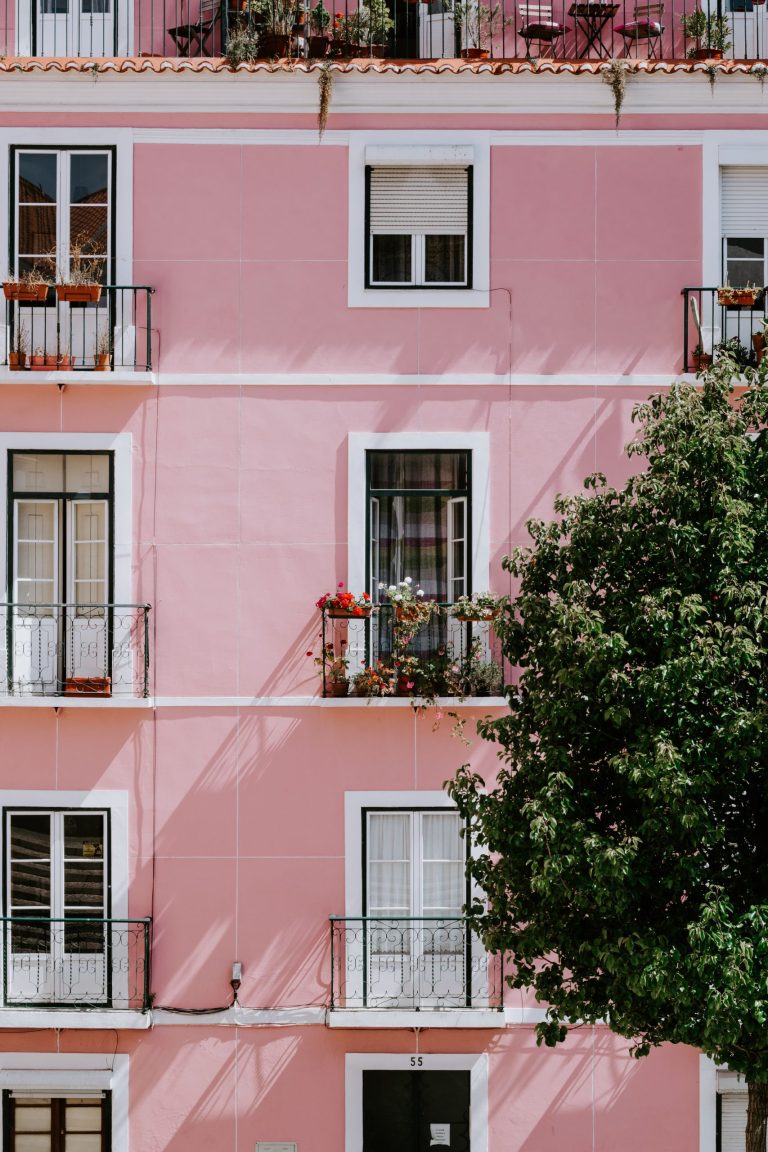
    Photo: Alison Laredo

    โ€œIf hugs were a colour, they would be pink.โ€

    ~ Karen Haller, The Little Book of Colour

    psychology of pink

    Culturally, the colour pink has a few established connotations. And maybe itโ€™s time to rethink them. In this blog, Iโ€™m going to look at why that might benefit us. Exploring the psychology of pink, letโ€™s consider when to use it in our home decor, when not to, and how to use it to its best effect.

    Colour, Culture & Psychology of Pink

    We tend to think of colour in visual terms because we encounter it in our lives as a visual element. But on levels we aren’t consciously aware of, all the colours under the rainbow โ€“ and their infinite tints, tones and shades โ€“ impact us in meaningful ways. Beyond our aesthetic appreciation for colours, they imbue our body-mind systems with different qualities.

    The upshot of this is that colour can have a positive or negative effect on us, depending on levels of exposure and cultural context, as well as personal taste.

    In western society, pink be a tad divise because of its long-running cultural association with young girls and the feminine in general. It often doesnโ€™t have the same appeal for adult women, and heterosexual males are typically conditioned from childhood to regard it as emasculating.

    Interestingly, though, the pink-for-girls and blue-for-boys rule in western socities is actually less than a century old. Prior to that it was the reverse. And in some eastern cultures today pink is associated with masculinity โ€“ something that seems unimaginable to those of us raised to view it as belonging to the realm of little girls.

    But in fact, neither pink nor blue are inherently masculine or feminine. But both do have specific effects on our psyche. And with each (and every colour) the intensity and underlying tone contributes to those effects.

    psychology of pink

    Pink, and its effects

    Far from being “weak”, pink is a colour than can enhance our health and wellbeing.

    Pink is proven to have a calming effect on the mind and body, helping reduce feelings of anger, aggression, and anxiety. Weโ€™re talking about the light to medium pinks here, which are often used in hospitals, prisons, and mental health facilities to create a sense of tranquility and relaxation. Spending just 15 minutes in a room pink room can reduce heart rate and blood pressure, and feelings of aggression. And the effect can last for up to 30 minutes after leaving the pink room.

    Regardless of our personal mental health, a great reason for all of us to embrace pink is that it promotes a sense of nurturing and empathy. When it comes to bringing out our softer and more caring sides, gender shouldnโ€™t be a factor. We all need to experience and express this side of ourselves. And so, whether it feels culturally appropriate or not, pink is a great colour for men to also become more open to.

    However, too much pink can be emasculating. So for some men, or anyone who needs to work on their self confidence, painting the walls of a room pale pink, or bubblegum pink, may be too much.  But there could be room for some kind of pink in the furniture, artwork and dรฉcor.

    For those who want to bring out their strongest qualities while still holding their femine power, bolder shades such as hot pink will be more effective than soft, baby pinks. Again, it might be a good idea to limit its useโ€ฆthe temptation might be to go strong with hot pink in the bedroom. But the primary function of this space is supporting a restful nightโ€™s sleep. So rather than going all out, use touches of hot pink – maybe in your dressing areaโ€ฆor in your bedding on date nights.

    There is a place and a context for all the variations.

    psychology of pink

    Ways to use pink in your home

    Instead of having a blanket ban against the colour (or indeed any colour), it makes more sense to be mindful of the intensity and quantity. When it comes to decorating our homes, we should always bear in mind the function of the room, and the personality types of those using it, when selecting the colour palette. This shouldnโ€™t be any different when considering if, where and how to include pink.

    Think about the room’s function and the kind of energy you need the space to generate. If it’s a room where the main activity is about down-time (living rooms and bedrooms) then you want to support a yin energy. For this you’re going to need more subtle pinks.

    On the other hand, in rooms where you want a livelier yang energy, you can use stronger, bolder pinks. Maybe the kitchen, dining or play room.

    Soft pinks – use on the walls, ceilings and even doors and woodwork. Bedrooms are a particularly good choice for a lot of subtle pink. It doesn’t have to feel too feminine – if you have a partner who wouldn’t feel comfortable in an overly feminine space, be sure to choose the right shade together. And balance it out with other colours, in your curtains, bedding, rug, and artwork so that it doesn’t feel overwhelmingly pink. Just ensure the overall palette incorporates colours that promote a relaxing atmosphere.

    Bold pinks – use on accent walls. And remember, walls don’t have to be painted. A pink-patterned wallpaper can introduce the effect you want without feeling too overpowering. But if a wall feels too much, stick with your soft furnishings, artwork, maybe a rug on the floor. If you want a strong pop of bold pink, think about a piece of furniture such as an armchair. Just be sure to include neutral colours in the overall colour palette to balance out the stronger pinks. And use the 60/30/10 rule….60% main colour (not hot pink), 30% secondary colour (could be a subtle pink) and 10% accent colour (this is where you can go bold with your pink).

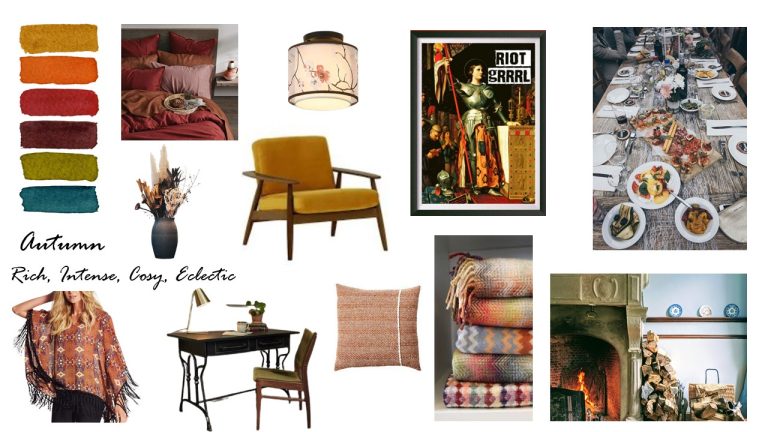
    Personality types – colour psychology categorises personality types according to seasons. And our seasons influence our aesthetic tastes. This includes the kinds of colours we’re drawn to. Generally, spring and summer personalities will be drawn to lighter and subtler hues, while autumn and winter will favour stronger. So in deciding on what pinks to use where, and how, you want to consider this as well as the function of the space. I have a quick and easy quiz on this link if you’d like to check out your seasonal personality type.

    Regardless of gender or personality type, there is a pink for everyone. And when chosen mindfully and applied correctly it can bring a great deal of positive qualities to our homes and our wellbeing.

    psychology of pink


    psychology of pink

    Thank you for reading. You may also be interested in:

    Key colour effects to consider before hitting the DIY stores.

    Colour Palette Consultation

    If you want to be notified whenever I post, be sure to subcribe to my newsletter.

    You might also like to check out these free resources:

    Guide to Budgeting your Home Makeover

    Discover your Personal Style

    interior design limerick ireland

    interior design county clare ireland

    interior design ireland

    affordable interior design

    psychology of pinkpsychology of pink

  • Creating your Sanctuary.

    Creating your Sanctuary.

    Expert Tips for Transforming a Corner of your Home into a Serene Self-Care Space.

    self care space
    Photo by Alisa Anton on Unsplash

    Self-care has become something of a buzzword in recent years, and social media conjures up images of bubble baths, spa treatments and other kinds of pampering.

    And a little pampering certainly has its place in a self-care regime. But true self-care goes deeper. Itโ€™s about getting clear on what we need to be able to function at our optimum level. And then engaging in practices and developing habits that will support us in getting there.

    What that looks like will be very different for each of us. But the global experience of recent years has shown many of us that a vital part of our wellbeing is living in a home that feels like a sanctuary from the worries and stresses of the world.

    Regardless of ownership or budget, I believe we all deserve homes that provide us with that sense of sanctuary. To achieve that, most of us donโ€™t need an expensive and time-consuming renovation. Simple tweaks can make a huge difference.

    I like to suggest to clients that they identify a small area in their home that they can dedicate as a personal self-care spot. If thereโ€™s a space in your home that is generally un-used day-to-day, maybe clear that out โ€“ or even a corner of it. Use this space to sit in and reflect on the day ahead, or the day just gone. To journal, if youโ€™re into that. To listen to soothing and relaxing music, or a favourite podcast. To read, dance, do yoga, meditate โ€“ whatever is your personal medicine.

    If every room in the home is actively used, then choose a corner of your bedroom or living room. It could even be a spot in your kitchen that you feel drawn to sit quietly in at a particular time of day. Then ask the rest of your household to allow you to enjoy that space solo as part of your daily routine. That could be the first hour in the morning, or for an hour after dinner in the evenings. Whatever works for you.

    Once youโ€™ve identified your self-care space, then you need to set it up to be that nurturing sanctuary. For the most part, this doesnโ€™t need to cost a penny โ€“ or require landlord approval for renters.

    For me, it depends on how it makes you feel. If thereโ€™s a particularly positive and uplifting memory attached to a dried bouquet, then who is anyone else to tell you that itโ€™s not appropriate for your self-care altar? Tune in to your own inner wisdom and choose what you believe will support you in where you are now, and where you aim to go.

    The first step is to clean and declutter. It might not be the most fun task, but it is the fundamental step. Setting up a self-care zone without doing this is like putting clean clothes on a dirty body. If you do nothing else, do this.

    Not for everyone, but I love to smudge the space with incense or white sage. Set an intention around what kind of energy you want your home to support and then burn incense or herbs. Please, always choose incense with natural ingredients over synthetic.

    Then personalise the space with a little altar. Iโ€™m not talking about religious paraphernalia here. In the simplest terms, your altar is a space where you display items that are symbolic of what you value. It can be on a little table, a shelf, a window sill โ€“ or just a corner of a sill. Whatever works for you and your space. The important thing is that it feels like a mindful and meaningful corner to you. Tend to it daily by lighting a candle or incense, or sounding a bell. This will help to remind you that this little corner of your home is a sacred space โ€“ and also remind you to take some time out for self-care.

    Bring nature into this corner. My favourite way to do this is with a live plant. Plants are proven to support our wellbeing, bring in vital living energy and detoxify the air. But other options include cut flowers, sea shells, conkers, pine cones, pebbles โ€“ whatever calls to you. There are no hard and fast rules โ€“ although Feng Shui does recommend not using anything dead (eg dried flowers).

    If there is artwork or ornaments already in situ in this corner, review the symbolism they portray.  Do they reflect what you want in your life? Or symbolically represent what youโ€™re working towards? If you have nothing decorative in place at the moment, then this is your opportunity to mindfully select a few pieces to add in.

    For a peaceful and happy home itโ€™s important that the subliminal effect of what your eyes are landing on everyday โ€“ especially in your self-care space – helps to evoke and maintain happy and peaceful feelings. If theyโ€™re not aligned with your self-care intentions, then consider replacing them with alternatives that help to subliminally set you up well for the day ahead.

    Next up you want to set the right ambiance. Soft lighting, relaxing scents. Maybe a source of music. Or maybe you prefer silence? Whatever helps you create a relaxing and soothing atmosphere is the right thing here – it will be different for everyone.

    Review the colour palette of the room in which you have set up this space. Is it conducive to relaxation? (Hint: pale or neutral colours, or greens or blues will work well. Avoid reds, oranges, yellows, loud or bright hues in this space.

    Make this corner comfy and cosy. You need to actively love the chair, or floor cushion, or whatever youโ€™re choosing to sit on. Donโ€™t just make do on this one โ€“ if itโ€™s not physically comfortable to sit here then it doesnโ€™t matter what else you do to make the space feel enticing. You simply wonโ€™t spend time here, and thatโ€™s the point of all of this.

    So maybe this is where you might need to spend a little money, if you donโ€™t already have the perfect seat for the space then consider investing in a new one. Add in a cushion and soft blanket and have a little basket of treats that help you to relaxโ€ฆ.hand lotion, lip balm, rose waterโ€ฆso you have what you need for a mini-pamper within armโ€™s reach.

    And once itโ€™s all perfectly set up, remember to make regular use of it. Set aside time โ€“ ideally daily โ€“ to spend here engaging in an activity (or inactivity) that makes you feel good, and helps you decompress and de-stress.

    Your self-care space need not be elaborate by any means. Simplicity aids easy upkeep, so donโ€™t go overboard with what you add. Being able to keep it clean and tidy with minimal effort will ensure it remains an inviting space that draws you to it. And by enjoying this space on a regular basis, youโ€™ll be supporting your wellbeing.

    Thank you for reading. You might also be interested in:

    Create a Home Altar to bring the Sacred into your Everyday Life.

    Space Clearing to Release what doesn’t Serve us.

    If you want to be notified whenever I post, be sure to subcribe to my newsletter.

    You might also like to check out these free resources:

    Guide to Budgeting your Home Makeover

    Discover your Personal Style

    interior design limerick ireland

    interior design county clare ireland

    interior design ireland

    affordable interior design

  • Feng Shui: Personal Development versus Manifestation.

    Feng Shui: Personal Development versus Manifestation.

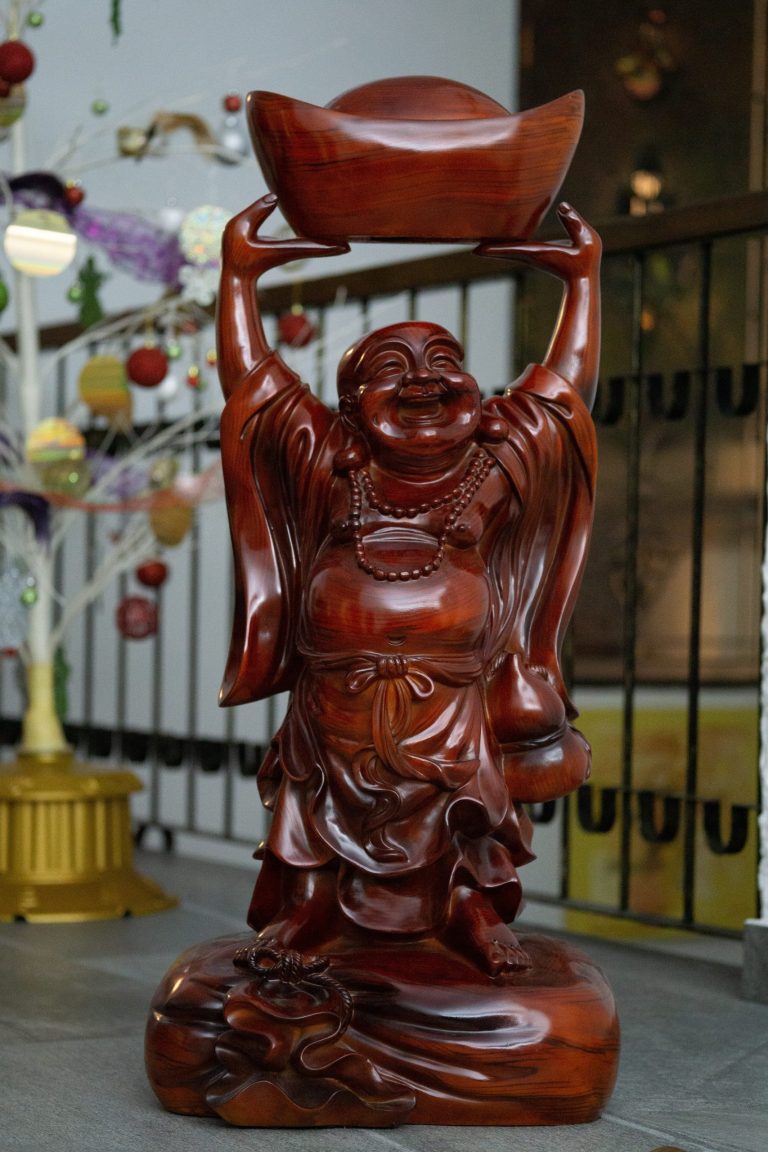
    Image of the laughing Buddha, for an article on viewing Feng Shui as a personal development tool.
    Photo by Charlie Solorzano on Unsplash

    Feng Shui is the art of setting up our homes to support our health and well-being.

    And that well-being stretches across all aspects of our lives, not just our physical health.

    Fundamentally it works with our homeโ€™s energy, which is divided into nine zones that represent different facets of our lives. The aim is to have the purest possible energy which can easily circulate throughout the home.

    This nine-zone grid is known as the Bagua and, in the western world, it is largely treated as a manifestation tool. If we want to attract the perfect relationship, wealth, or fame, we check the Feng Shui in that area. And if itโ€™s off, we introduce remedies to bring things back into balance.

    And while this is all well and good in theory, it is very hit-and-miss in practice. Some people have amazing results, and others are disappointed.

    There is a simple explanation for this: every single manifestation technique out there is limited in its efficacy. And the stumbling block is our own subconscious readiness to have what we think we want.

    If we have a self-sabotage pattern in a particular area of our lives, then trying to manifest what we want out of the ether is likely to have limited results.

    If we want to resolve our self-sabotage to have lasting results, we have some inner work to do.

    And this is where I find Feng Shui far more useful.

    We can use the Bagua to help us excavate where we have some work to do. I like to take a two-pronged approach to this.

    Outside-in:

    Firstly, when I notice clutter building up in a particular spot in my home, I check in with my corresponding life area. How are things going there? Am I experiencing challenges? If so, what am I doing (or not doing) that is contributing to difficulties?

    If Iโ€™m not getting answers, then I set the intention for the insights to come. And if I already know what I need to do, I set an appropriate intention to support myself in taking those steps.

    And then I declutter and clean the space.

    Regardless of all the traditional cures for Feng Shui sore points, the fundamental practice is cleaning and decluttering. There is no point in doing any of the other tweaks if the space is chaotic and dirty.

    Inside-out:

    If Iโ€™m experiencing some challenges, or I want to make some changes in an area of my life, I go to the part of my home that corresponds to it on the Bagua and I look for the clutter.

    Again, I set an appropriate intention and then go about cleaning and decluttering. Sometimes insights will come to me mid-clear-out. Sometimes theyโ€™ll come after. The refreshed space has a refreshing effect on my mind, allowing for more clarity to come through.

    Energetically we have a symbiotic relationship with our homes.

    Our energy affects the homeโ€™s atmosphere. And the energy of happiness, sadness, sickness, optimism, frustration, or whatever else we experience is also held within our homes.

    And then it continues to impact how we feel.

    It can be a vicious or virtuous circle, depending on how often we clean up the energy by cleaning and refreshing our space. This means opening windows as well as decluttering.

    So if youโ€™re feeling the need to make some changes in your life, but you look around and donโ€™t see any clutter, then open a window and let in some fresh air. Hold the intention to invite in new opportunities as you do so while releasing any energy that no longer serves you.

    But also find something to declutter.

    If everything is already neat and tidy, then empty your wardrobe, sock drawer, or bookshelves. And examine each item before you decide to put it back in an organized manner. Examine yourself too โ€” do you really need or want to keep this? Do you use it regularly? Or does it bring joy to your life?

    Itโ€™s got to do one or the other.

    If itโ€™s not adding something to your life, then choosing to let it go makes space for something new to come in. And when we do that in the physical, it affects the metaphysical level too.

    Decluttering our space helps the energy circulate better in our homes, but it also enables the energy within us to flow better. Leading to helpful insights and shifting stubborn habits and attitudes.

    After decluttering, review the symbolism of the dรฉcor in your space.

    Do your artwork and curios depict the kind of scenario you want to create in your life? If not, why were you drawn to display them there? This assessment could point you towards some subconscious resistance or sabotage.

    We need to know where weโ€™re getting in our own way before we can set about changing that. And the stuff in our homes can give us some powerful clues.

    As within, so without.

    Feng Shui can teach us to see our homes as a mirror of our inner worlds. It helps us to see where we need to redirect our energy. And it helps us to identify where we need to focus some self-care and healing attention.

    And all of this comes back to personal development and spiritual practice. For me, itโ€™s about developing my relationship with myself and doing what I need to do to support myself.

    Having a mindful and respectful relationship with our home facilitates that. And it can lead to surprisingly wonderful results in our lives.

    Thank you for reading. You might also be interested in:

    A Feng Shui Primer for Westerners.

    Feng Shui Tips for the Bedroom, to Enhance Romance.

    If you want to be notified whenever I post, be sure to subcribe to my newsletter.

    You might also like to check out these free resources:

    Guide to Budgeting your Home Makeover

    Discover your Personal Style

    interior design limerick ireland

    interior design county clare ireland

    interior design ireland

    affordable interior design

  • It’s time to embrace ‘Hygge’ season – and make it a year-long practice.

    It’s time to embrace ‘Hygge’ season – and make it a year-long practice.

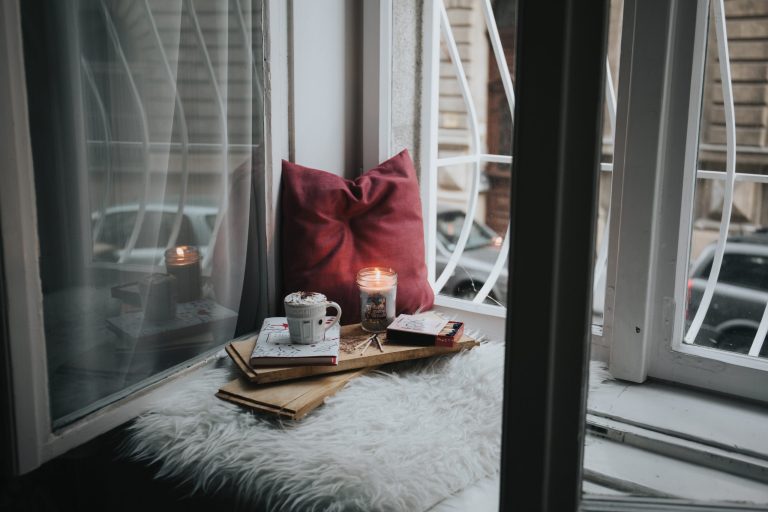
    Photo by Allison Christine on Unsplash
    Broadly speaking, the Danish concept of Hygge is the creation of a feeling of cosiness and contentment. Typically, it is portrayed on social media through images of candles, blankets, and mugs of hot tea and cocoa. Anything that brings us comfort is hygge-lig. And really, the Danes werenโ€™t the only ones practicing this.

    What is different in Denmark though, is that Hygge is a year-round way of life that cares nothing about Instagram-worthy photo opportunities. And the Danes consistently rank in studies at the happiest end of the scale, so it’s not something to dismiss lightly. To them, Hygge runs deeper than the cosy-making images portray.

    How can we gain this deeper benefit for ourselves?

    The answer is, by regarding it as an important self-care practice – and practicing it on an ongoing basis (not just in the darker, colder seasons).

    By being conscious, mindful, and intentionalโ€ฆnot just lighting a candle to take a pic for Instagram. Instead, lighting a candle as a deliberate part of a self-care ritual, whereby we intentionally take some time for a self-nourishing activity. And actually, lighting a candle is purely optional.

    Our hygge-lig activity might be reading a book by the fire, curled up in a cosy blanket. Equally, it can be cooking a meal for ourselves, family or friendsโ€ฆif it is done as an act of love, as opposed to being viewed as a necessary chore.

    Not just having a cup of cocoa, but actively appreciating the cocoa. Reframing the messy business of cleaning out and setting the fire, to view it as part of a ritual leading to a cosy evening enjoying the heat and atmosphere it will generate.

    Hygge is about consciousness, being present, being grateful, and deliberately making the most of lifeโ€™s simple pleasures.

    We will get the most out of Hygge when we apply deliberate and mindful intention behind the cosy-making. When we slow down and find a way to appreciate the little everyday things.

    Hygge is about incorporating daily rituals into our mundane everyday. And they can be as simple as taking the time to sit and enjoy our morning tea or coffee, instead of gulping it down as we race about getting ready to leave for work.

    It includes all the cosy elements that Instagram taught us to associate with the term, such as candles, blankets, and delicious, hot beverages on cold wintry evenings. But it also includes any activity where we consciously inject and appreciate intimacy, comfort, and contentment.

    We donโ€™t have to go out and buy new cushions and throws and create a Pinterest or Instagram-worthy living room. We simply need to consciously appreciate the comfort of our living rooms instead of vegging out in an unconscious manner.

    Choosing to curl up with a book and a hot toddy, instead of flicking mindlessly through trashy TV channels. Although watching TV can also be hygge-ligโ€Š, when weโ€™re actively engaged with and enjoying what weโ€™re watching, as opposed to merely distracting ourselves from whatever is going on in our lives.

    Be present in everything weโ€™re doing.

    If youโ€™re having a night in, light a candle, get as cosy as possible, and appreciate the experience. If youโ€™re cooking a meal, consciously infuse the food youโ€™re preparing with love. Take time every day to slow down and do at least one thing with conscious care.

    In autumn and winter, it certainly helps to make our homes all comfy and cosyโ€Š – โ€Šit softens the harshness of the weather. And the harsh weather also provides an excuse to enjoy cosy, intimate evenings with family, friends, or even alone.

    But whatโ€™s most important is to appreciate whatโ€™s good in the moment, and to make the moment as good as it can be.

    Hygge can also be experienced in the great outdoors, not just in cosy indoor spaces. So, instead of hibernating all winter, dress for the weather and get outside and embrace it. Long walks in nature, especially in the company of loved onesโ€Š – โ€Šbe they human or furryโ€Š – are great for the soul.

    And when spring and summertime roll around again, practice even more hyggelig activities outdoors. Instead of board games in front of the fire, have picnics in the park. Make your back garden as inviting as possible and regularly take time out to enjoy it.

    Fundamentally, Hygge is a feeling of contentment and well-being. We donโ€™t need to use the term in our day-to-day life (unless we live in Denmark), but it really is of benefit to incorporate rituals and experiences into our daily lives that generate that hyggelig feeling.

    So, to benefit from the Daneโ€™s wise practice, embrace more and more of lifeโ€™s simple pleasures and practice them regularly. Integrating true Hygge into our own daily lives would help us all to improve our happiness and wellbeing.


    Thank you for reading. You might also be interested in:

    The Art & Health Benefits of Pottering.

    If you want to be notified whenever I post, be sure to subcribe to my newsletter.

    You might also like to check out these free resources:

    Guide to Budgeting your Home Makeover

    Discover your Personal Style

    interior design limerick ireland

    interior design county clare ireland

    interior design ireland

    affordable interior design

  • Discover your Personal Style

    Discover your Personal Style

    YOUR PERSONALITY TYPE PLAYS A HUGE ROLE IN DETERMINING THE KINDS OF INTERIOR STYLE, COLOUR PALETTES, FINISHES, AND MORE THAT HELP YOU TO FEEL AT EASE IN YOUR HOME.

    ย Most of us are a mix of two or three seasonal personality types, but usually one is more dominant.

    Knowing which it is for you, and each member of your household can help you to avoid costly mistakes and make the right choices for you and your family the first time around. It can also help you avoid being overly influenced by current trends and create a home that will feel like a timeless sanctuary for those living in it.

    [streamquiz id=”2″]

  • Seeing Green: 12 Creative Ideas If You Want To Start Decorating With Emerald Green

    Seeing Green: 12 Creative Ideas If You Want To Start Decorating With Emerald Green

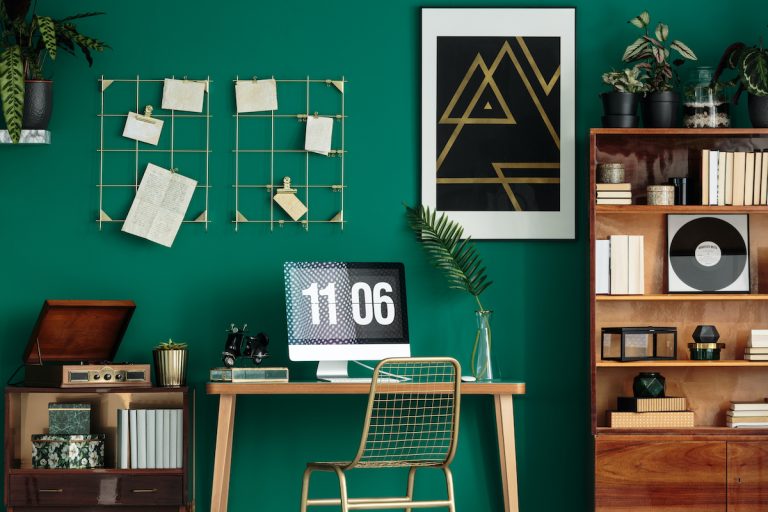
    Green home office interior with a computer on the desk, wooden cabinet and poster on the wall, decorating with emerald green

    Check out the recent Apartment Guide article we were featured in:

    “Energetically bold, emerald green is a powerful color. In fact, this popular shade is so influential and dynamic,ย Etsyย actually named emerald green its color of the year for 2022. For those looking to elevate their apartment dรฉcor, decorating with emerald green is one of the easiest ways to make aย statement.”

    To help you get started, Apartment Guide reached out to us and other experts for our best advice on decorating with emerald green at home. Check it out on the link below:

    Seeing Green: 12 Creative Ideas If You Want To Start Decorating With Emerald Green  | Apartment Guide

  • Rental Home, Room Makeover Challenge

    Rental Home, Room Makeover Challenge

    I want to prove that design doesnโ€™t have to be expensive and that renters can benefit from investing time and a little bit of money into making their homes feel like it reflects them, and supports their needs.

    So, Iโ€™m setting myself a challenge to work with ONE rental client on a zero-charge basis, located in west Mayo.

    What Iโ€™m offering:

    • Design a room makeover for one space in your home.
    • Initial design concept, including colour palette.
    • Scaled space plan, to ensure all planned elements will fit while allowing good flow and functionality.
    • 3D drawings, to scale, of what the implemented design will look like (useful to get your landlord on board with the planned changes).
    • Active support in sourcing anything new you need to acquire to execute the design.

    What I need from you:

    • An open-minded landlord who youโ€™re confident will support the project.
    • A small budget โ€“ how much exactly will depend on the space and what is needed. If we can work with a lot of what youโ€™ve got, weโ€™ll only need a budget for paint and some accessories. If we need to source a lot of furniture, weโ€™ll obviously need more in the budget. Weโ€™ll discuss this at the outset.
    • A commitment to implement the design โ€“ painting etc. (I will not be painting your home!)
    • A willingness to source second-hand.
    • Permission to document the process to inspire more renters to invest in their temporary homes.

    If youโ€™re a renter who would like some professional support in making one room in your home more reflective of you, then Iโ€™d love to hear from you. Please send an email to hilda@hildacarroll.com with RENTAL HOME MAKEOVER in the subject line. Tell me a little about the space in question, a few photos, and why you think you’d be a good match for this challenge.

    rental home room makeover

  • 5 Mini Spring Cleaning Projects you can Complete this Week

    5 Mini Spring Cleaning Projects you can Complete this Week

    spring cleaning
    Photo by Precious Plastic Melbourne on Unsplash

    Weโ€™re mid-way through spring, with the summer in easy reach now. And all the dust that was quietly accumulating in dark corners is becoming more and more apparent โ€“ at least to my eye, in my home.

    Iโ€™ve been dipping in and out of spring cleaning tasks here and there, but I havenโ€™t managed to do the kind of full clean sweep that happened in the spring of 2020 and 2021. I wonder whyโ€ฆ.

    When weโ€™re busy, it can be genuinely hard to find the time and energy to do the jobs around the house that we have on our mental to-do list. And yet, itโ€™s important we find a way to do them for a couple of reasons.

    1. Our homes are so much more than shelter from the big bad world. They are supposed to be retreats, places of sanctuary, and temples for our bodies, minds, and spirits. And in order to fulfill this important function, we need them to be clean, tidy, organised. Functional and beautiful (according to our personal tastes).
    2. Anything thatโ€™s loitering on our to-do lists is draining our mental energy. When we finally cross them off, our entire systems get a positive boost.

    So, if you canโ€™t find the time to devote to a huge spring clean, but know that itโ€™s vital to your homeโ€™s wellbeing โ€“ and yours, by extension โ€“ how do you get it done?

    In bite-sized pieces.

    The following seven suggestions could be completed within a week, or less, or more. Whatever works for you. But if you could get through them over the next week or so, your home will feel lighter and brighter and so will you.

    Cobwebs

    As the light gets brighter for longer, are you noticing cobwebs in corners that were completely unnoticeable during the darker half of the year? Instead of making a mental note to remove them at the weekend โ€“ only to forget or be too busy when it arrives โ€“ why not grab a long-handled brush right now and tackle them.

    Yes, stop reading and just go and do it.

    Clearing cobwebs is a speedy, but satisfying task. Itโ€™s the lowest hanging fruit on this list and thereโ€™s no time like now to get this quick win under your belt.

    Entryway โ€“ youโ€™re probably noticing a change in the outerwear youโ€™re choosing on your way out the door. Rain jackets may still be needed, but your warmest coats and heaviest winter boots are probably not getting much wear these days.

    So why not clear these out of the way, and swap them out for your fair-weather jackets and shoes. And while youโ€™re at it, have a general tidy-up of anything else that is creating any sense of mess or clutter.

    The entryway is such an important portal into your home and can set the mood both for you and your family and also for your guests.

    It doesnโ€™t need to be a Pinterest-worthy uber-styled space. But if it is neat and tidy and allows you to easily transition into indoor mode, it will fulfill its most important function: to welcome you home and help you decompress as soon as you arrive.

    The cupboard under the sink

    This is not the most fun job, but itโ€™s definitely a satisfying one when complete. And it will help build momentum to tackle the rest of this list.

    Rubber gloves are recommended for this one, as it can be a mucky spot with all sorts of strange-looking stains from spillages. Clear everything out, give the shelves a good wipe down, and sort through what goes back in and what just goes.

    I find plastic baskets or containers very useful to corral the contents of what Iโ€™m keeping in here. Use different sizes for different items, but organize everything in a manner that will make it easy for you to access what you need on a day-to-day basis without any excessive rooting around.

    Usually, I find this task is completed pretty quickly. I waste far more time thinking about and dreading it than I typically do completing it.

    The fridge

    Weโ€™re going to stay in the kitchen for the next couple of tasks. Like the entryway, the kitchen is a significant area of our home that warrants special attention. Unlike the entryway, we typically spend a lot of time in our kitchens, prepping and often also eating the food that sustains our bodies.

    So cleanliness here, and a generally pleasant environment play a vital role in our overall health and happiness.

    And the fridge is another spot that can get mucky โ€“ and quickly. Itโ€™s a clean-out that needs to happen more often than spring-cleaning seasons. And that can be tedious, but itโ€™s also one of the most satisfying cleans you can do. Because you probably open your fridge and look into it several times a day.

    When itโ€™s freshly clean and organized, that simple action can be a brief moment of joy. When it needs cleaning and sorting, thatโ€™s a brief moment of not-joy (dread, frustration, irritation? Itโ€™ll be different for everyone, but it wonโ€™t be a pleasant sensation). And those little moments, multiple times a day, can have a cumulative effect on us subconsciously.

    Or not, each of us is different. But I think it best not to risk it and give it a good cleanout. If the under-sink cupboard spurred you on for more, this one will be even more motivating as Iโ€™ll put money on it youโ€™re exposed to the inside of your fridge far more often than the inside of that cupboard.

    The pantry cupboards

    In a way, these are an extension of the fridge. Storage for your less perishable foodstuffs, youโ€™re probably rummaging around in these nearly as often as you are in your fridge. But theyโ€™re often more guilty of harbouring out-of-date items than the fridge because thereโ€™s no light in the back of that cupboard highlighting that interesting-looking condiment you bought but never ended up using.

    Unlike the fridge, a good clean out of these cupboards once or twice a year should suffice. So when you have completed this one, itโ€™ll be an extra big tick off your list.

    What I love about cleaning out both the pantry and fridge is that you usually end up making space as well. And that extra space also gives us a little visual boost, in addition to the cleanliness.

    Itโ€™s amazing how these simple little things make a difference to how we feel. And itโ€™s important to notice them and appreciate them. Also notice when pockets of our home are having a more draining effect on our psyches โ€“ and take action to improve, if thatโ€™s whatโ€™s needed.

    Bathroom storage

    Ugh, this can be a fiddly one. Lots of small bottles and tubes and packages to sort through in here, so itโ€™s probably the one youโ€™ll want to assign the biggest time slot to. While everything listed above could probably be completed in 20 minutes or less, you might want to allow up to an hour for this.

    Go through makeup and dispose of any that you never use, or is simply very old. And check all of your medications, ointments, and potions.

    The bathroom is where we both detox and purify our bodies, so keeping on top of cleanliness here is important. But letโ€™s be honest, how many of us venture into the cupboards when weโ€™re doing our regular clean? I can well imagine the resistance you may be feeling for this one, so I suggest focusing on the satisfaction of knowing you wonโ€™t need to face this one again for quite a long time.

    Five days of spring cleaning, even if in short spurts, deserves a day of rest. After your day off, maybe youโ€™ll be inspired to take on more mini projects throughout your home. And little by little, your home will feel different. Lighter. Better.


    If you’d like some support decluttering and cleaning your entire home, in bite-sized daily tasks over a period of 30 days, then sign up for my Decluttering Challenge. It’s completely free, and you can register for it here.