Have you ever noticed how certain small actions can completely shift your mood?
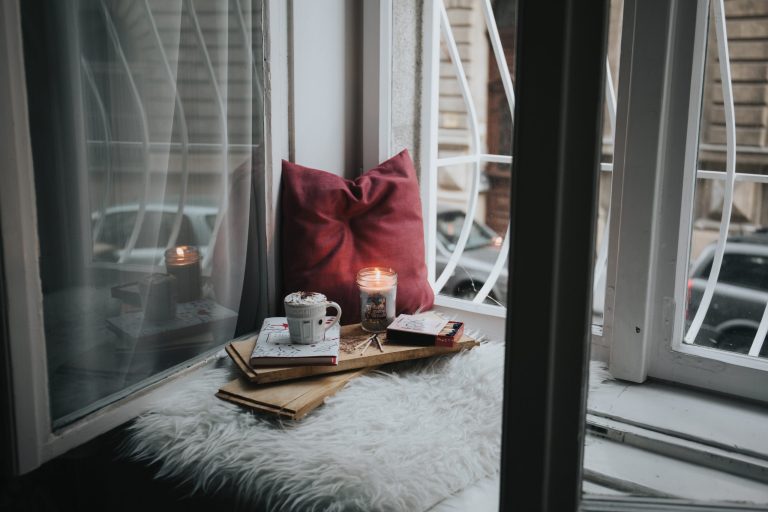
Maybe itโs the way you make your morning coffee, the moment you light a candle in the evening, or even pausing for a deep breath before starting your day.
These little momentsโwhen done with intentionโbecome rituals. And rituals have the power to support your wellbeing in ways you might not even realize.
In this post, weโll explore what rituals are, why theyโre so powerful, and how you can begin weaving them into your daily life to create more calm, clarity, and connection.
What Exactly Is a Ritual?
At first glance, rituals might look like routinesโbut thereโs an important difference.
A routine is something you do automatically, like brushing your teeth or checking your phone first thing in the morning. A ritual, on the other hand, is infused with presence and meaning. Itโs about slowing down and intentionally engaging with the moment.
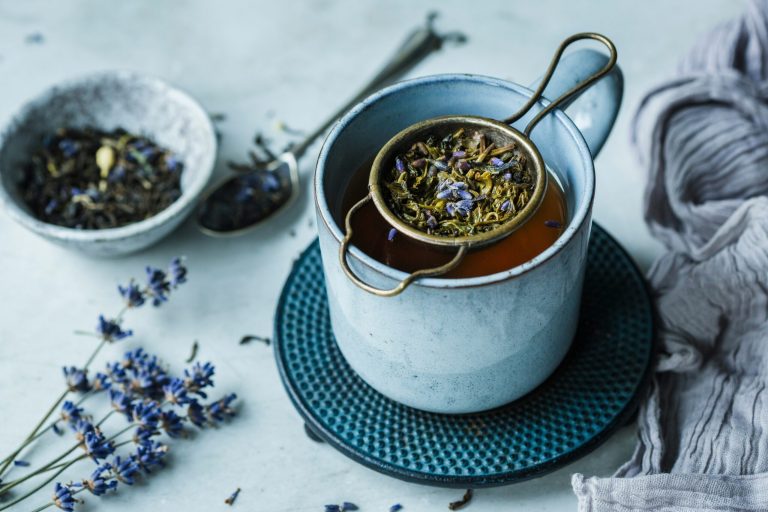
Think of the difference between grabbing a quick coffee on the go versus taking a moment to really savor the aroma, the warmth of the mug, and the first sip. Same actionโbut one is routine, and the other is ritual.
Rituals have been part of human culture for centuries. Theyโve always marked transitions, provided a sense of stability, and brought deeper meaning into everyday life. And as modern research shows, they also have measurable benefits for our wellbeing.
The Science of Rituals
You donโt have to take this on faith aloneโscience has a lot to say about the benefits of rituals.
- They reduce stress. A Harvard Business School study found that performing simple rituals before stressful events (like public speaking) lowered anxiety and improved performance.
- They help with emotional resilience. Research published in the Journal of Experimental Psychology showed that ritual-like actions during times of grief or transition gave people a greater sense of control and helped them process emotions more effectively.
- They calm the nervous system. Engaging the sensesโthrough scent, touch, or soundโactivates the bodyโs relaxation response. Use smells or sounds that you know your body responds well to as part of your daily rituals to trigger this benefit.
- They improve focus and performance. A study in Psychological Science found that ritualsโeven simple onesโhelp athletes and performers feel more confident and reduce performance anxiety.
In short, rituals support both the mind and body, making them powerful tools for everyday wellbeing.
How to Create Your Own Rituals
Creating rituals doesnโt have to be complicated. Here are a few tips to get started:
- Choose a small action. Rituals donโt need to be big or time-consuming. For example, placing your hand on your heart in gratitude before getting out of bed, writing a single word in your journal that reflects your mood, or rolling your shoulders before you begin work.
- Anchor it to something you already do. Tie your ritual to a habit thatโs already part of your dayโlike stepping outside for a breath of fresh air after turning off your alarm, setting an intention while you wash your hands, or expressing gratitude when you put your keys down after coming home.
- Engage your senses. Sound, scent, and touch can help anchor you in the present moment. A piece of music, a favorite essential oil, or even the feel of a smooth stone in your hand can all serve as ritual supports.
- Be flexible. Rituals are there to serve you, not box you in. Let them evolve with your needs, and give yourself permission to change them when life shifts.
Final Thoughts
Rituals donโt have to be grand or time-consuming. Theyโre simply about bringing intention and presence into small moments of your day. Over time, these little acts of meaning add up to a big shift in how you feelโmore grounded, more connected, and more at peace.
So maybe ask yourself: where could I bring a little more intention into my day?
And if you already have a ritual that nourishes youโwhether itโs journaling, lighting a candle, or a mindful walkโIโd love to hear about it. Share it in the comments below.
Thank you for reading. You might also be interested in:
Tips to Balance your Health and Wellbeing during Vata Season.